 50mm
50mm 80mm
80mm 100mm
100mm Hinged Doors
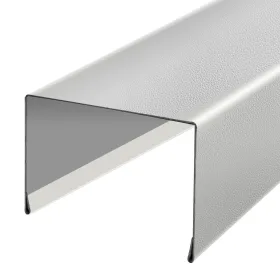 Flooring U Channel
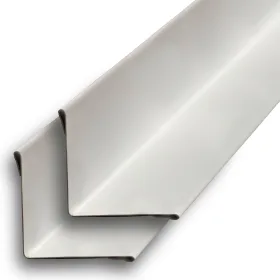 Internal Trims
 Angles
 External Angles
 Internal Angles
 Channels
 Chiller Channel
 Freezer Channel
 Cold Room Wire Shelving
 Copper Tube
 Pipe Insulation
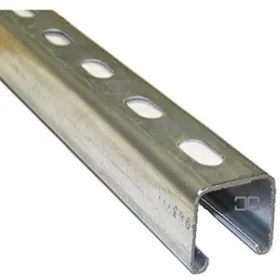 Channel
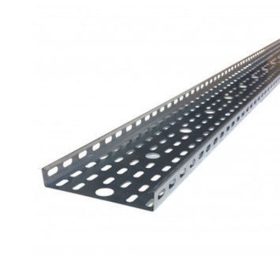 Cable Tray
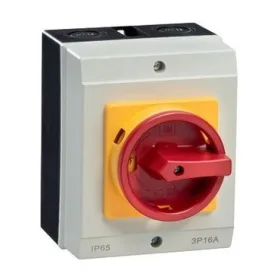 Fasteners
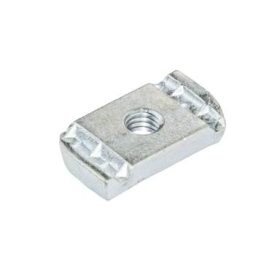 Fixing Accessories
 Studding, Nuts, Bolts & Washers
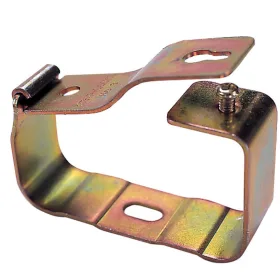
 Support Frame & Mounting Block
 Tape
Tape Brass Fittings
 Refrigerant
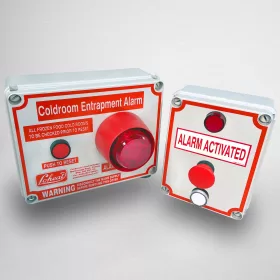 Cold Room Accessories
 Cable
Cable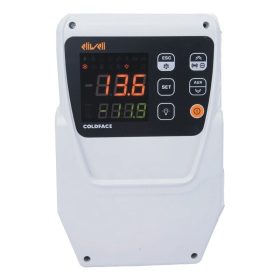 Cold Room Controller
 Cold Room Transformer
 Drain Pipe & Fittings
 Condensate Hoses
 Condensate Pumps
 Air Conditioning Mini Pumps
 Ancillaries
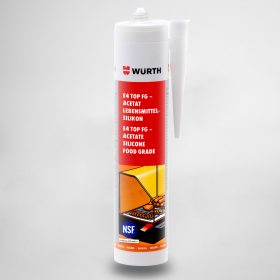 Silicon Sealant
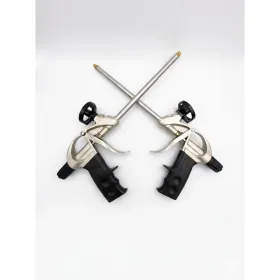 Expanding Foam
 Cable Ties
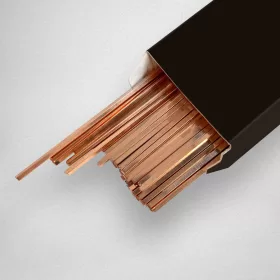 Brazing
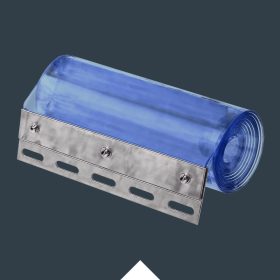 Temperature Barrier
 Meat Hanging System
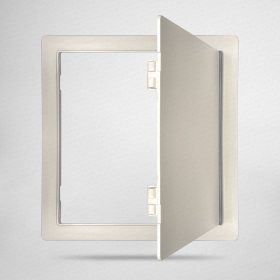 Access Panel
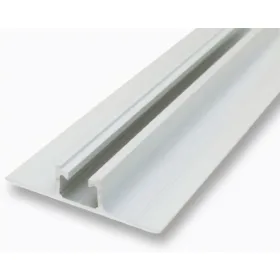 Ceiling Suspension
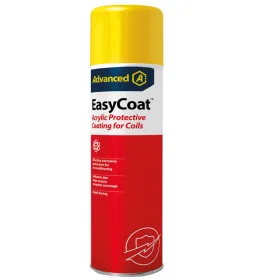 Chemical
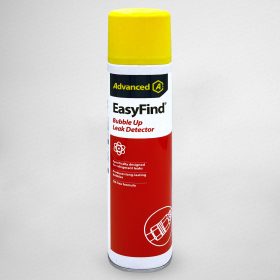 Leak Detector
 Odour Remover
 Flooring Parts
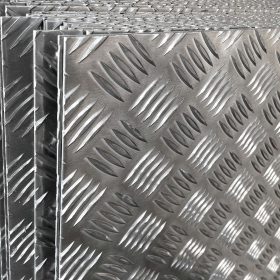 Checker Plate
 Tools & Workwear
In the demanding UK HVAC-R sector, balancing immediate costs with long-term operational efficiency and reliability is a critical challenge. Far too often, the initial investment takes precedence, potentially overlooking the profound impact that strategic system design has on a system’s lifespan, energy consumption, and overall performance. For facilities managers, property developers, and business owners, understanding the blueprint for lasting HVAC-R performance is key to securing sustainable, cost-effective operations.
The Foundation of Longevity: Strategic System Design
Effective HVAC-R performance begins long before installation. It’s rooted in meticulous design that anticipates operational demands, environmental factors, and regulatory compliance. A well-designed system not only performs optimally from day one but also offers resilience against wear and tear, reducing the frequency and cost of future interventions.
Understanding UK Operational Demands
The unique climate and economic landscape of the UK present specific challenges. High energy costs make efficiency paramount, while stringent regulations, such as F-Gas for refrigerants, demand careful consideration during the design phase. A system designed without these factors in mind risks becoming a costly liability rather than an asset. Understanding peak loads, temperature fluctuations, and required air quality is fundamental to specifying equipment that will perform consistently under real-world UK conditions.
Component Selection: More Than Just the Price Tag
Choosing the right components is perhaps the most crucial aspect of design. Opting for cheaper alternatives often leads to increased energy consumption, higher maintenance costs, and a significantly reduced system lifespan. High-quality, robust components are designed for durability and efficiency, offering better thermal performance and reliability. For instance, in cold storage applications, the structural integrity and insulation value of PIR insulated panels are fundamental to maintaining consistent internal temperatures with minimal energy expenditure. Similarly, selecting efficient compressors, durable evaporators, and reliable condensers – tailored to the specific application – contributes significantly to the system’s overall energy footprint and operational longevity. Furthermore, modern control systems, such as advanced cold room controllers, are vital for precise temperature management and optimising defrost cycles, ensuring consistent performance and reduced energy waste.
Precision Installation: The Link Between Design & Performance

Even the most meticulously designed HVAC-R system can underperform if not installed correctly. Installation is the critical bridge between design theory and operational reality.
The Role of Skilled Technicians
In the UK, the importance of using accredited, experienced installers cannot be overstated. Technicians with relevant qualifications, such as F-Gas certification for refrigeration systems, ensure that installation practices adhere to industry best standards and legal requirements. Correct sizing of pipework, precise refrigerant charging, and proper electrical connections are all vital for system efficiency and safety. Inaccurate installation can lead to immediate issues or, more insidiously, to gradual degradation of performance and premature component failure.
Mitigating Common Issues Through Quality Workmanship
Poor installation can manifest in various problems, including refrigerant leaks, inadequate airflow, excessive noise, and accelerated wear on moving parts. These issues not only compromise efficiency and increase operational costs but can also pose compliance risks. Quality workmanship ensures that all components are integrated seamlessly, operating as a cohesive unit as intended by the design. This proactive approach significantly reduces the likelihood of costly breakdowns and extends the system’s operational life.
Embracing Future-Proofing & Compliance
Designing for longevity also means designing for the future. This involves anticipating technological advancements, evolving regulatory landscapes, and the increasing demand for sustainable operations.
Energy Efficiency Beyond Legislation
While compliance with current energy efficiency standards is non-negotiable, forward-thinking design aims to exceed these minimums. Investing in higher efficiency equipment, optimising system layouts for reduced pressure drops, and incorporating heat recovery technologies can significantly lower long-term energy bills. This approach not only offers greater operational savings but also positions businesses favourably in an increasingly carbon-conscious economy.
The Value of Integrated Systems
Modern HVAC-R systems benefit immensely from integrated controls and remote monitoring capabilities. These smart systems allow for real-time performance tracking, predictive maintenance scheduling, and rapid fault diagnosis. By identifying potential issues before they escalate, facilities can minimise downtime and extend the life of their equipment. Such integration provides valuable data that can inform future design iterations and optimisations, ensuring continuous improvement in efficiency and reliability.
Key Takeaways
Ready to discuss how strategic design can benefit your next UK HVAC-R project? Request a tailored quotation today.