 50mm
50mm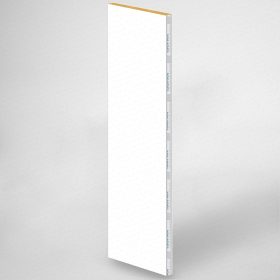 80mm
80mm 100mm
100mm Hinged Doors
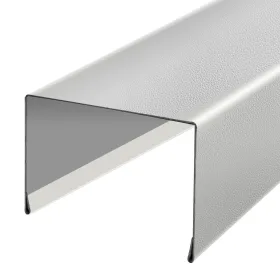 Flooring U Channel
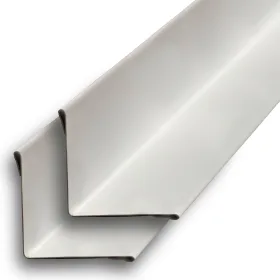 Internal Trims
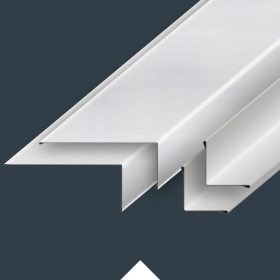 Angles
 External Angles
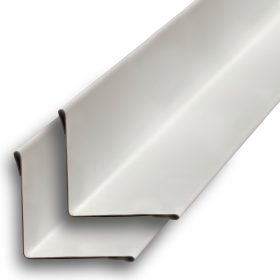 Internal Angles
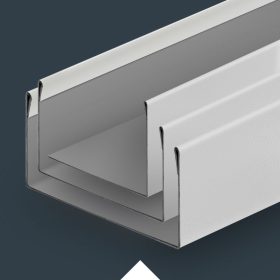 Channels
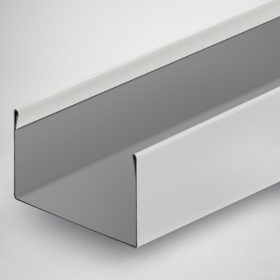 Chiller Channel
 Freezer Channel
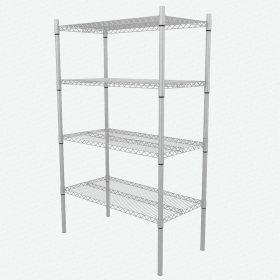 Cold Room Wire Shelving
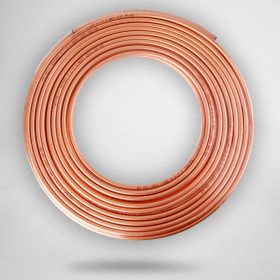 Copper Tube
 Pipe Insulation
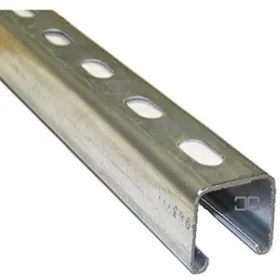 Channel
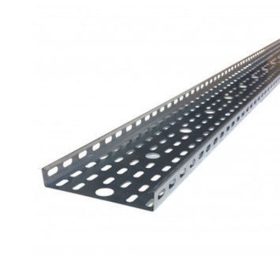 Cable Tray
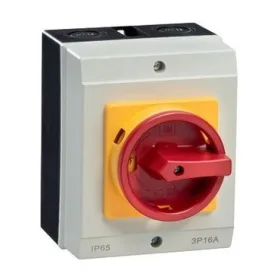 Fasteners
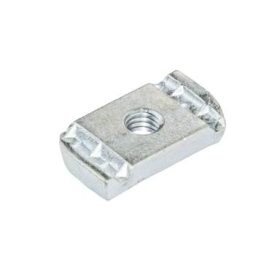 Fixing Accessories
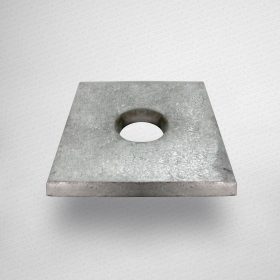 Studding, Nuts, Bolts & Washers
 Support Frame & Mounting Block
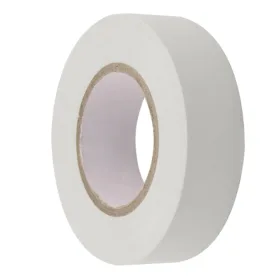 Tape
Tape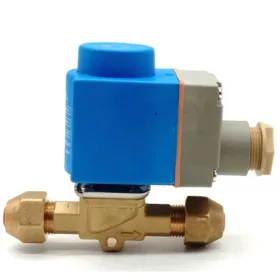 Brass Fittings
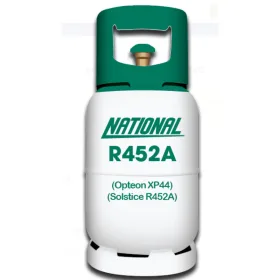 Refrigerant
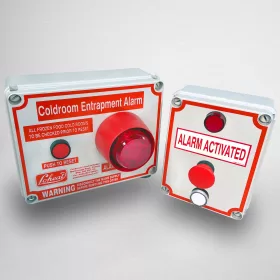 Cold Room Accessories
 Cable
Cable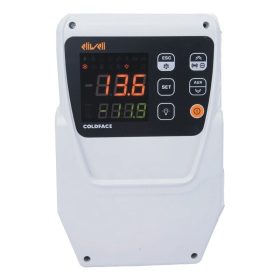 Cold Room Controller
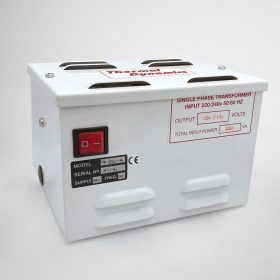 Cold Room Transformer
 Drain Pipe & Fittings
 Condensate Hoses
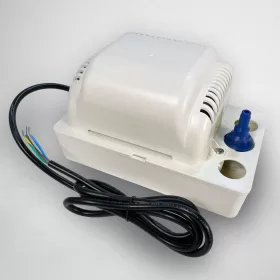 Condensate Pumps
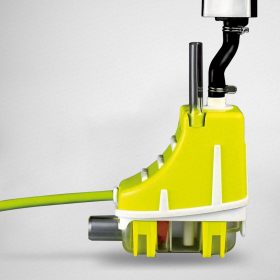 Air Conditioning Mini Pumps
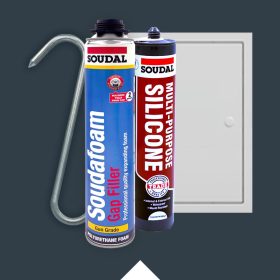 Ancillaries
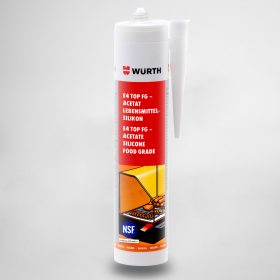 Silicon Sealant
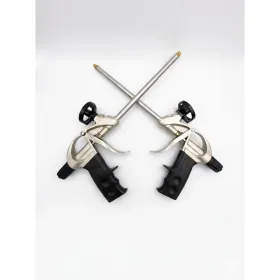 Expanding Foam
 Cable Ties
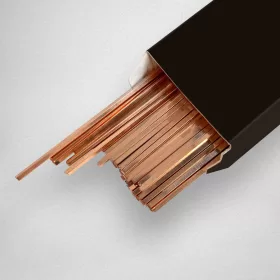 Brazing
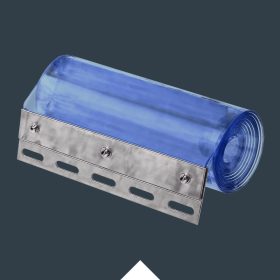 Temperature Barrier
 Meat Hanging System
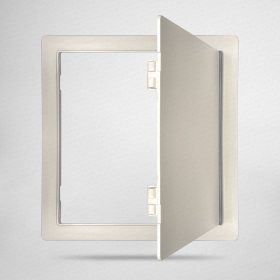 Access Panel
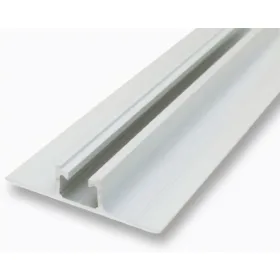 Ceiling Suspension
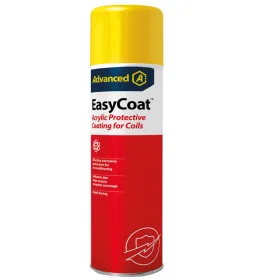 Chemical
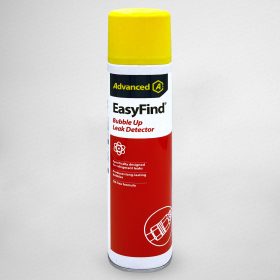 Leak Detector
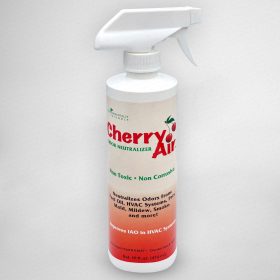 Odour Remover
 Flooring Parts
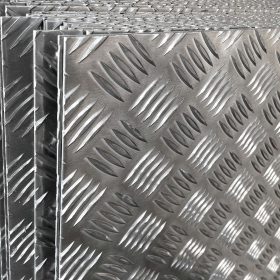 Checker Plate
 Tools & Workwear
The effective operation of cold storage facilities across the UK hinges on one critical factor: thermal integrity. For sectors ranging from food processing and pharmaceuticals to logistics and retail, maintaining precise and stable temperatures is paramount for product safety, energy efficiency, and regulatory compliance. Achieving this goes beyond just having a robust refrigeration system; it requires a holistic approach to the entire cold room envelope, focusing on high-performance components that prevent unwanted heat ingress.
The Core of Thermal Integrity: High-Performance Insulation
The foundation of any efficient cold room is its insulation. It acts as a barrier, preventing heat from the warmer external environment from penetrating the conditioned space. Without effective insulation, refrigeration units would work continuously, leading to excessive energy consumption, system wear, and potential temperature fluctuations that compromise stored goods.
PIR Insulated Panels: A UK Standard
Polyisocyanurate (PIR) insulated panels are widely recognised as a superior choice for cold room construction in the UK. Their exceptional thermal resistance properties mean they offer high insulation values even at thinner profiles, maximising usable internal space. Beyond thermal performance, PIR panels offer excellent fire ratings, contributing to overall building safety, a crucial consideration for commercial and industrial facilities. Their structural stability also ensures a long-lasting and robust cold room structure, reducing the need for frequent repairs. Selecting high-quality PIR insulated panels is a fundamental step in building a resilient cold storage solution.
Minimising Thermal Bridging
Even with the best insulation panels, thermal integrity can be compromised by “thermal bridging”, pathways where heat can bypass the insulation. This often occurs at joints, corners, and where structural elements penetrate the insulated envelope. Proper installation techniques, including meticulous sealing of all panel joints, use of thermal breaks, and careful consideration of all penetrations for piping or wiring, are essential to create a continuous and unbroken thermal barrier. Any gaps, no matter how small, can lead to significant energy losses and localised temperature variations within the cold room.
Securing the Envelope: Doors and Access Points
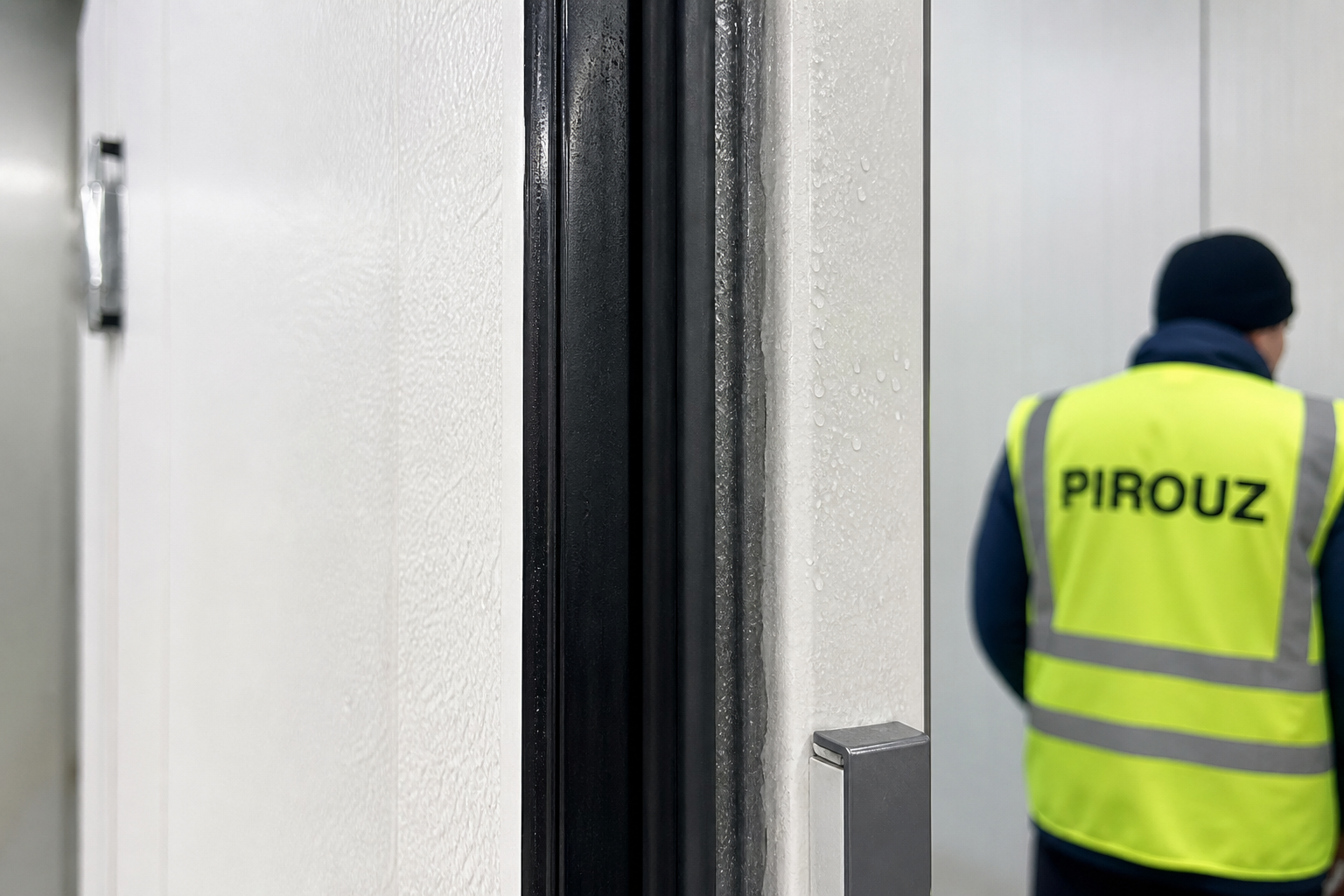
While insulation forms the static barrier, cold room doors represent dynamic points of potential heat exchange. These are often the weakest links in the thermal envelope, especially in high-traffic environments where they are frequently opened and closed.
Robust Cold Room Doors
A well-designed and properly installed cold room door is as vital as the insulated walls themselves. High-quality cold room doors feature thick insulation, robust hardware, and, critically, effective sealing mechanisms. Heated door frames are often employed in freezer applications to prevent ice build-up, which can impede sealing and cause structural damage over time. Various types, including hinged, sliding, and rapid-roll doors, cater to different operational needs, but all must prioritise an airtight seal when closed.
Air Curtains and Strip Curtains
In scenarios where doors are frequently opened for extended periods, such as loading docks or high-throughput distribution centres, supplementary measures like air curtains or PVC strip curtains can significantly enhance thermal integrity. Air curtains create an invisible barrier of air, while strip curtains provide a physical barrier, both reducing the amount of warm ambient air entering the cold space and thereby minimising temperature fluctuations and refrigeration load.
Beyond the Structure: Operational & Maintenance Best Practices
Even with optimal design and component selection, ongoing operational practices and diligent maintenance are crucial for sustaining thermal integrity throughout the cold room’s lifespan.
Regular Inspections
Routine visual inspections are a simple yet effective way to identify potential issues before they escalate. Technicians should regularly check door seals for wear and tear, look for any signs of damage to insulation panels, and ensure all closures are functioning correctly. Early detection of compromised seals or damaged panels can prevent substantial energy waste and costly repairs down the line.
Temperature Monitoring and Control
Precise temperature monitoring systems are indispensable. Modern cold room controllers provide real-time data and can alert facilities managers to any deviations, allowing for prompt intervention. Consistent temperature data also helps in identifying subtle changes in thermal performance that might indicate a developing issue with the cold room’s envelope.
F-Gas and Refrigerant Management
While not directly a component of the thermal envelope, the integrity of the cold room directly impacts the refrigeration system. A well-insulated, airtight cold room reduces the workload on refrigeration units, lowering energy consumption and minimising the stress on components. This, in turn, can contribute to reducing the risk of refrigerant leaks, which is a key aspect of F-Gas compliance in the UK. By lessening the strain on the refrigeration plant, thermal integrity indirectly supports better refrigerant management and adherence to environmental regulations.
Key Takeaways:
Ensuring the thermal integrity of your UK cold storage facility is an ongoing commitment that delivers significant returns in terms of operational efficiency, product safety, and regulatory compliance. From the initial specification of insulated panels to the long-term maintenance of door seals, every component plays a role in creating a consistently stable and energy-efficient environment. To discuss your cold room project or to learn more about our range of high-performance components, request a cold storage quotation today.