 50mm
50mm 80mm
80mm 100mm
100mm Hinged Doors
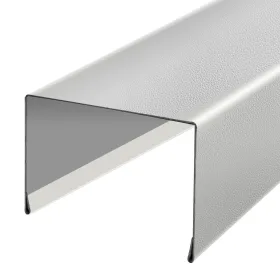 Flooring U Channel
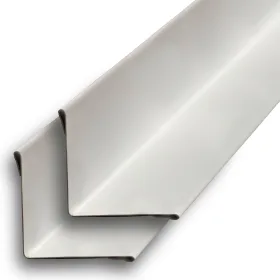 Internal Trims
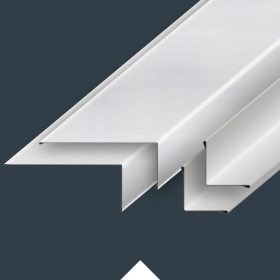 Angles
 External Angles
 Internal Angles
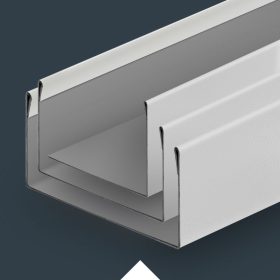 Channels
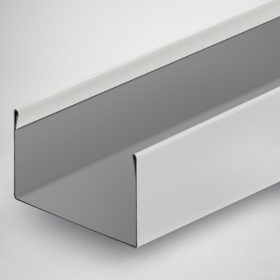 Chiller Channel
 Freezer Channel
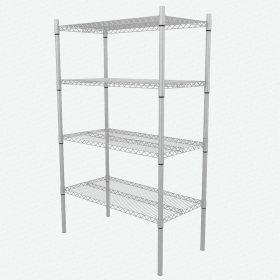 Cold Room Wire Shelving
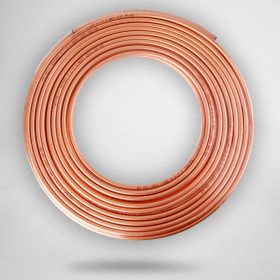 Copper Tube
 Pipe Insulation
 Channel
 Cable Tray
 Fasteners
 Fixing Accessories
 Studding, Nuts, Bolts & Washers
 Support Frame & Mounting Block
 Tape
Tape Brass Fittings
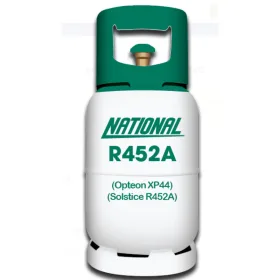 Refrigerant
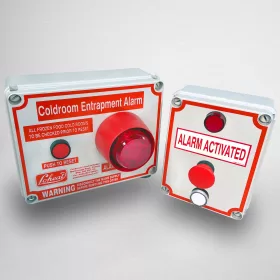 Cold Room Accessories
 Cable
Cable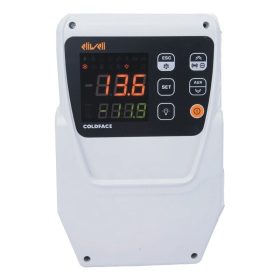 Cold Room Controller
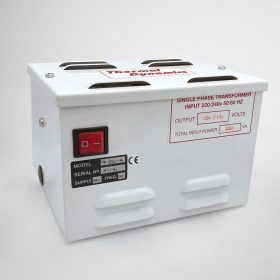 Cold Room Transformer
 Drain Pipe & Fittings
 Condensate Hoses
 Condensate Pumps
 Air Conditioning Mini Pumps
 Ancillaries
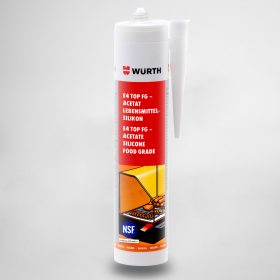 Silicon Sealant
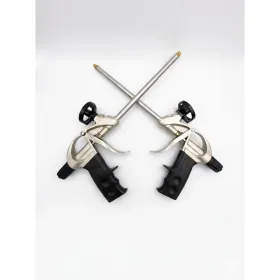 Expanding Foam
 Cable Ties
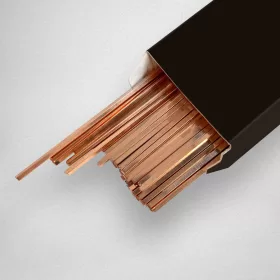 Brazing
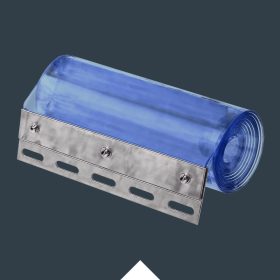 Temperature Barrier
 Meat Hanging System
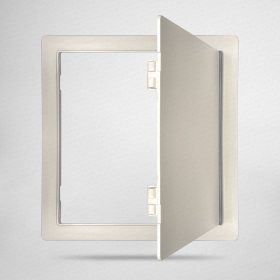 Access Panel
 Ceiling Suspension
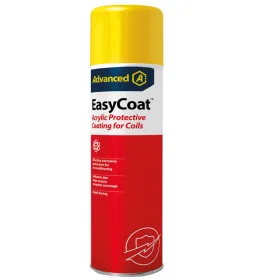 Chemical
 Leak Detector
 Odour Remover
 Flooring Parts
 Checker Plate
 Tools & Workwear
Why Your UK Property Feels Sticky Despite the AC
There’s little worse than the discomfort of a sticky indoor environment, especially when your air conditioning is supposedly working hard to cool things down. This common frustration, highlighted by sources like The Spruce, often points to an underlying issue with your HVAC system’s ability to manage humidity. For facility managers, homeowners, and businesses across the UK, understanding why your property feels clammy despite the AC being on is crucial for maintaining comfort, air quality, and energy efficiency. Air conditioning units are designed not only to cool the air but also to remove moisture from it, a process known as dehumidification. When this function falters, the result is that unpleasant, damp feeling indoors.
Understanding Humidity Control in AC Systems
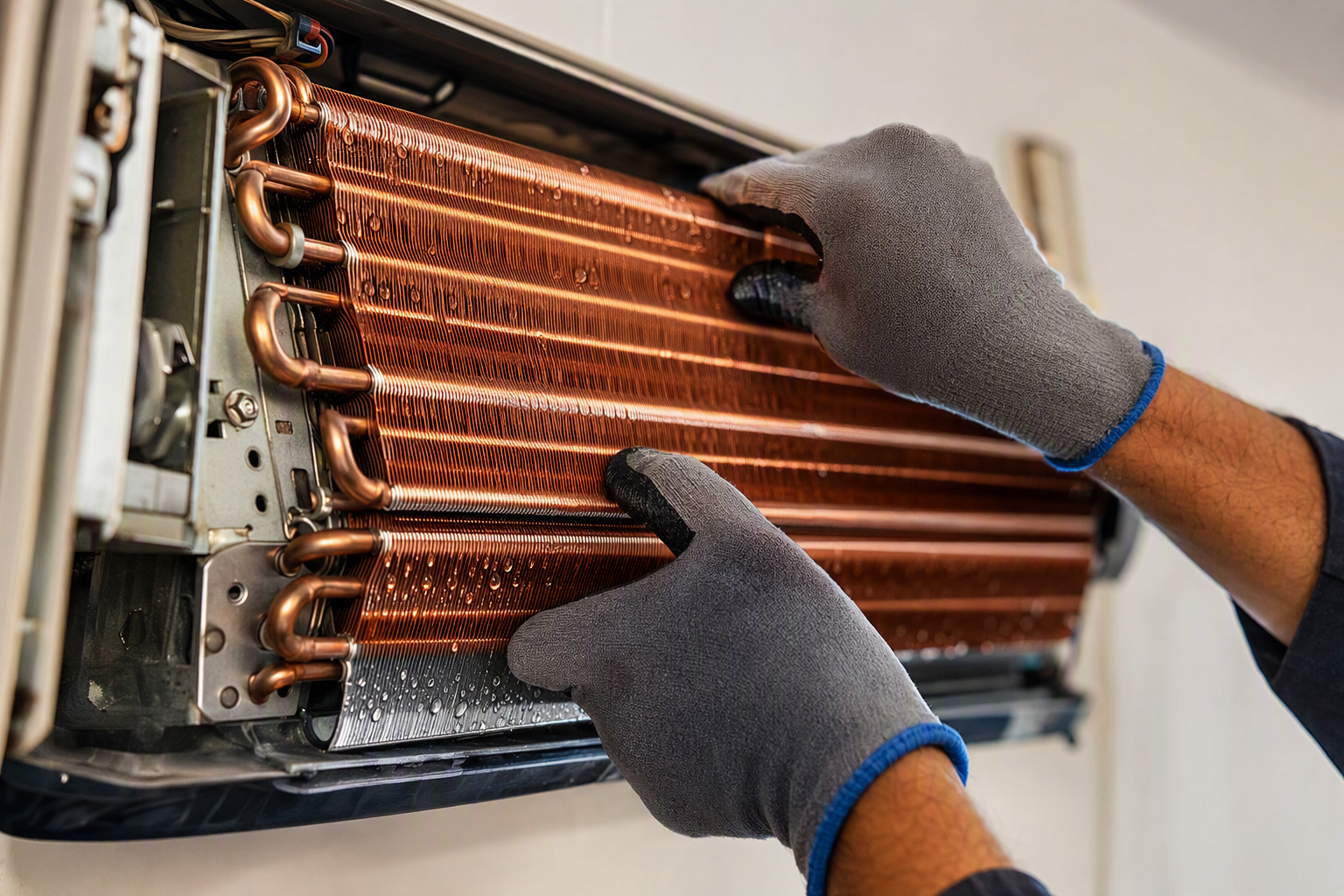
Air conditioning systems cool your space by passing warm, humid air over a cold evaporator coil. As the air cools, moisture condenses on the coil’s surface and drains away, effectively lowering both the temperature and the humidity. If your AC is running but the air still feels heavy and damp, it suggests that this dehumidification process is compromised.
Oversized AC Units
One of the most frequent culprits, particularly in residential settings or smaller commercial spaces, is an air conditioning unit that is too large for the area it serves. An oversized AC cools the space too quickly. While this might sound desirable, it means the unit cycles on and off rapidly, never running long enough to complete the dehumidification process effectively. The temperature drops, but the unit hasn’t had sufficient time to collect and drain away enough moisture, leaving a cool but sticky atmosphere. Correct sizing is paramount for optimal performance.
Refrigerant Issues
The refrigerant within your AC system is vital for the cooling process. Low refrigerant levels, often due to leaks, can severely impair the unit’s ability to absorb heat and, consequently, its capacity to condense moisture. If your AC is blowing air that isn’t as cold as it should be, alongside the sticky feeling, low refrigerant is a strong possibility. This requires a professional HVAC technician to diagnose and repair.
Common Culprits Beyond the AC Unit
While the main components of your AC play a huge role, other system elements and environmental factors can contribute significantly to a persistently humid indoor environment.
Dirty Evaporator Coils and Filters
Over time, evaporator coils can accumulate dirt, dust, and grime. This build-up acts as an insulating layer, reducing the coil’s ability to absorb heat and condense moisture efficiently. Similarly, clogged air filters restrict airflow over the coils, forcing the unit to work harder and diminishing its dehumidifying power. Regular cleaning and replacement of filters are simple yet highly effective preventative measures. Consider regular use of quality coil cleaner to maintain optimum performance.
Blocked Condensate Drains
The moisture condensed on the evaporator coil typically drips into a drain pan and is then routed out of the building through a condensate drain line. If this line becomes clogged with mould, algae, or debris, water can back up into the system, or even overflow, leading to higher indoor humidity. A blocked drain can also result in water leaks and potential damage to your property. Ensuring clear condensate management is essential.
Ductwork Leaks and Poor Insulation
Leaky ductwork can pull in warm, humid air from unconditioned areas like attics or crawl spaces, distributing it throughout your property and negating the dehumidification efforts of your AC. Poor insulation in walls, roofs, or windows can also allow external humidity to infiltrate the conditioned space, overwhelming the AC’s capacity to cope. Addressing these building envelope issues is crucial for long-term comfort and energy efficiency.
External Factors and Solutions
Sometimes, the issue isn’t solely with the AC, but with how your property interacts with the external environment.
Inadequate Ventilation
Proper ventilation is key to removing stale, humid air and replacing it with fresh air. If your property lacks adequate ventilation, especially in areas prone to moisture generation like kitchens and bathrooms, humidity can build up significantly. Implementing effective ventilation strategies can complement your AC’s dehumidifying efforts.
Professional Diagnosis and Maintenance
Pinpointing the exact cause of a sticky indoor environment often requires the expertise of a qualified HVAC professional. They can accurately assess your AC system’s performance, check refrigerant levels, inspect coils and drains, and identify any ductwork or insulation deficiencies. Regular preventative maintenance, including F-Gas compliance checks in the UK, is vital to ensure your HVAC system operates efficiently, providing both cooling and effective dehumidification. Investing in maintenance helps prolong the life of your equipment and prevents minor issues from escalating into costly repairs.
Key Takeaways
- ACs dehumidify as well as cool: A sticky feeling suggests compromised moisture removal.
- Unit sizing matters: Oversized ACs cycle too quickly, hindering dehumidification.
- Maintenance is crucial: Dirty coils, blocked drains, and low refrigerant impact performance.
- Building integrity affects humidity: Leaky ductwork and poor insulation allow external moisture in.
- Professional diagnosis: Essential for identifying and rectifying complex HVAC humidity issues.
Don’t let a sticky atmosphere detract from your comfort or productivity. For expert diagnosis and reliable HVAC solutions to combat unwanted indoor humidity, contact our specialists today for a comprehensive assessment. Visit Pirouz for expert HVAC solutions and a free quotation.