 50mm
50mm 80mm
80mm 100mm
100mm Hinged Doors
 Flooring U Channel
 Internal Trims
 Angles
 External Angles
 Internal Angles
 Channels
 Chiller Channel
 Freezer Channel
 Cold Room Wire Shelving
 Copper Tube
 Pipe Insulation
 Channel
 Cable Tray
 Fasteners
 Fixing Accessories
 Studding, Nuts, Bolts & Washers
 Support Frame & Mounting Block
 Tape
Tape Brass Fittings
 Refrigerant
 Cold Room Accessories
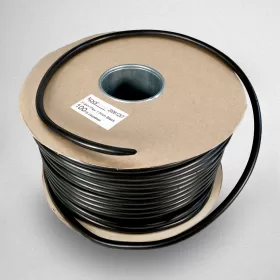 Cable
Cable Cold Room Controller
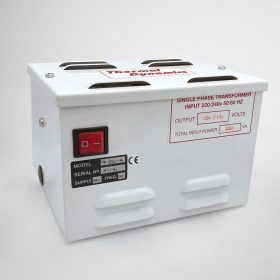 Cold Room Transformer
 Drain Pipe & Fittings
 Condensate Hoses
 Condensate Pumps
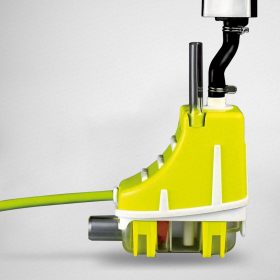 Air Conditioning Mini Pumps
 Ancillaries
 Silicon Sealant
 Expanding Foam
 Cable Ties
 Brazing
 Temperature Barrier
 Meat Hanging System
 Access Panel
 Ceiling Suspension
 Chemical
 Leak Detector
 Odour Remover
 Flooring Parts
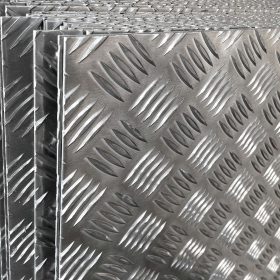 Checker Plate
 Tools & Workwear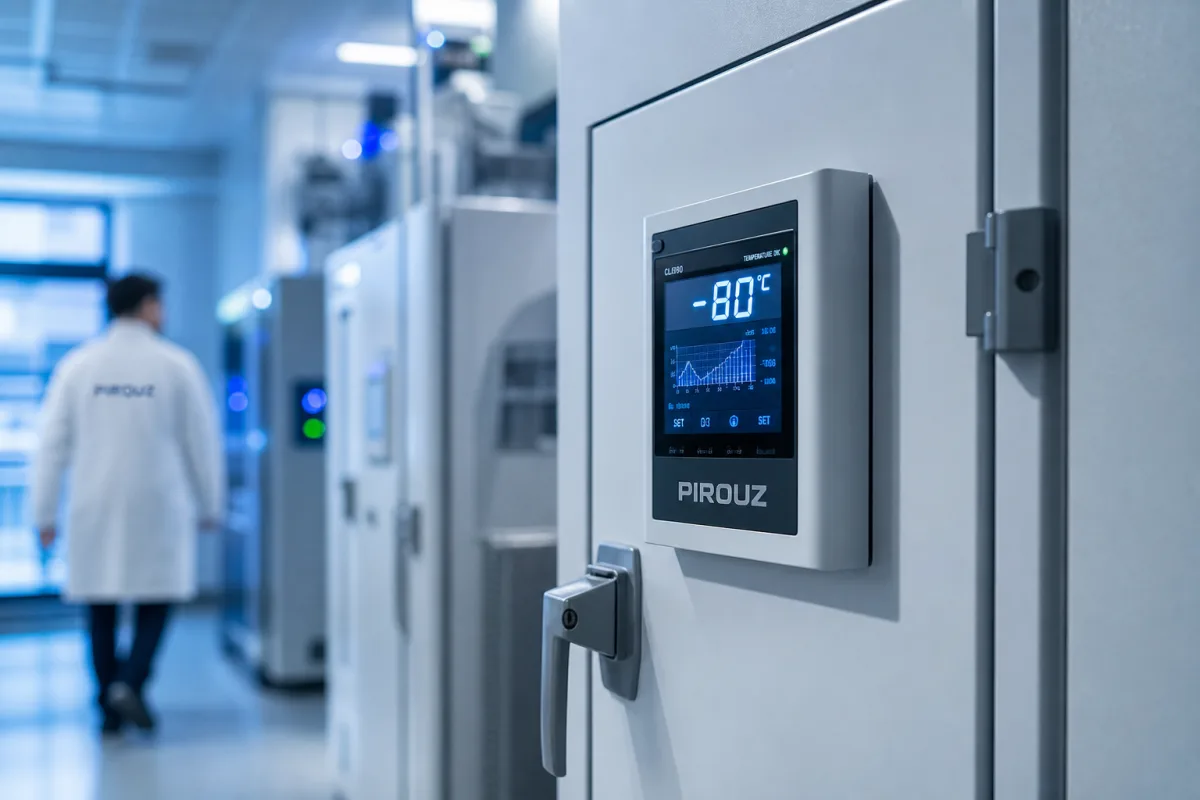
The landscape of F-Gas regulations in the UK is constantly evolving, presenting both challenges and specific considerations for facilities managers and HVAC-R professionals. A recent development, reported by Cooling Post, highlights a significant change: certain laboratory equipment has received an F-Gas exemption. This adjustment acknowledges the unique operational requirements and critical nature of cooling systems within a laboratory setting, providing a nuanced approach to environmental protection whilst ensuring vital research and processes can continue unimpeded.
For those managing facilities with laboratories, understanding the specifics of this exemption is crucial. It impacts how refrigeration and air conditioning equipment in these specialised environments are treated under the stringent F-Gas rules, potentially streamlining compliance for certain critical assets. However, it’s important to note that an exemption does not negate the overall responsibility for environmentally sound practices and maintaining high standards of installation and maintenance.
Understanding the UK F-Gas Landscape
Fluorinated greenhouse gases (F-gases) are potent contributors to global warming, and their use is tightly controlled by the UK F-Gas Regulation. This regulation aims to reduce emissions of these gases by restricting their use, mandating leak checks, requiring certified personnel for handling, and promoting the transition to lower Global Warming Potential (GWP) refrigerants. For the broader HVAC-R sector, this means a consistent focus on compliance, detailed record-keeping, and investment in training and equipment.
Facilities across the UK, from commercial buildings to industrial plants, must adhere to these regulations for their refrigeration and air conditioning systems. The overarching goal is to minimise the environmental impact of these essential technologies, pushing for greater energy efficiency and the adoption of more sustainable cooling solutions.
The Specifics of Lab Equipment Exemption
Laboratory environments often rely on highly specialised cooling equipment, such as ultra-low temperature (ULT) freezers, climate chambers, and precision cooling for analytical instruments. These systems are critical for maintaining the integrity of samples, reagents, and experimental conditions, where even minor temperature fluctuations can have profound scientific implications. The F-gas exemption for certain lab equipment recognises these unique demands.
While the exact scope of the exemption requires careful review of official guidance, it generally applies to equipment where alternatives to high-GWP refrigerants are not yet technically feasible or could compromise the precise and safe operation of critical laboratory processes. This acknowledgement is vital, as it prevents potentially detrimental impacts on scientific research and development that could arise from blanket application of regulations designed for more general HVAC-R applications.
It’s imperative for facilities managers to consult the latest government guidelines and industry updates to ascertain which specific types of laboratory equipment are covered by this exemption. This involves understanding the refrigerant charge limits, equipment categories, and any specific conditions that apply. Crucially, this exemption doesn’t absolve operators of responsibility for proper equipment management, leak detection, or safe decommissioning.
Implications for UK Facilities and Installers
The F-gas exemption for lab equipment brings a nuanced change for those involved in its specification, installation, and maintenance. For facilities with research and development functions, this could simplify aspects of regulatory compliance for certain critical assets. However, the majority of HVAC-R equipment within these facilities will still fall under the full scope of the F-Gas Regulation.
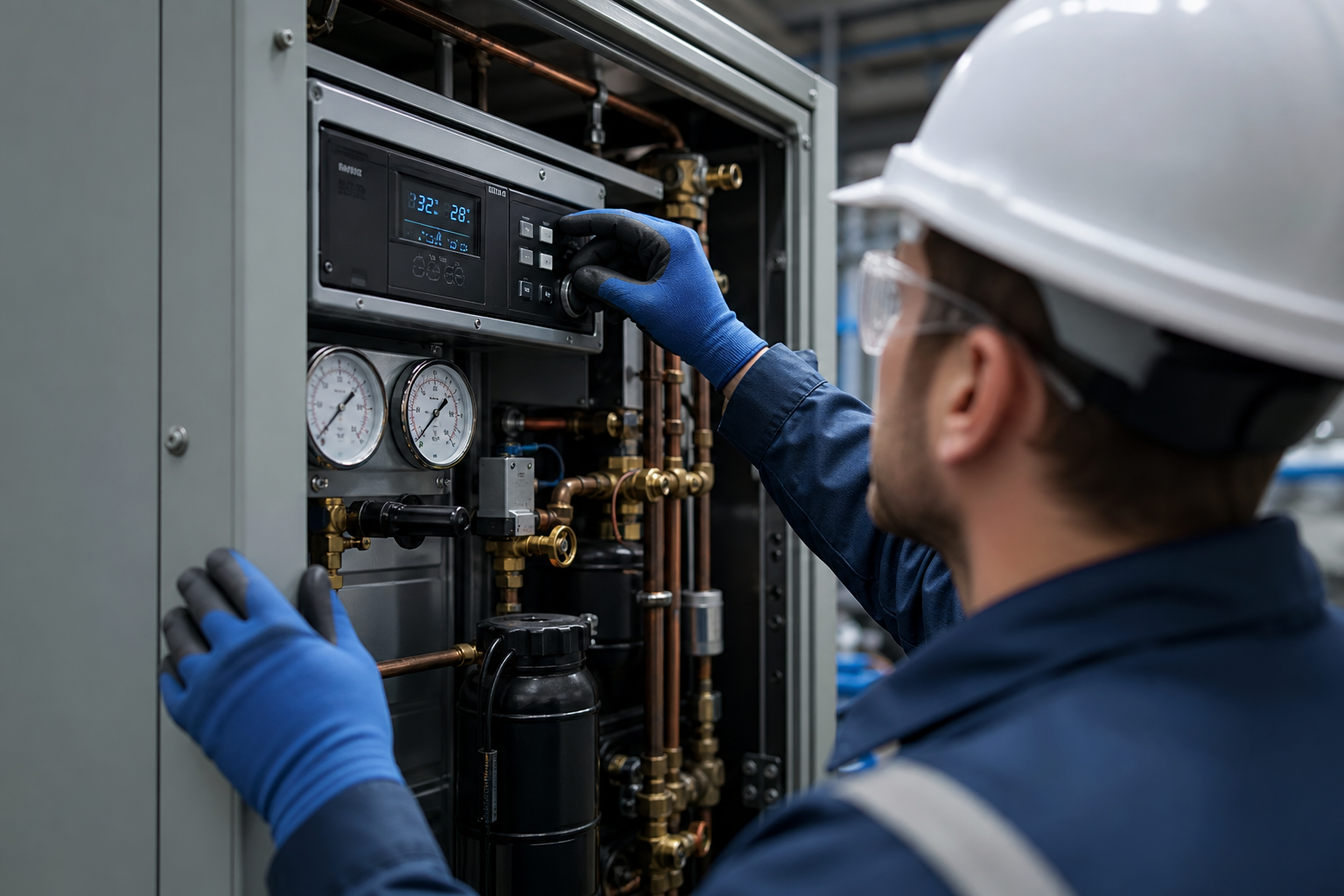
Installers and service engineers working on laboratory systems must remain F-gas certified and possess the expertise to handle refrigerants responsibly, whether an exemption applies or not. The focus should always be on best practice: meticulous installation, rigorous leak testing, and regular, preventative maintenance to ensure optimal performance and minimise refrigerant emissions.
Furthermore, while an exemption addresses specific F-gas requirements, the drive for energy efficiency remains paramount. Laboratories are often energy-intensive, and optimising the performance of all cooling equipment, including that which is exempt, is vital for operational costs and overall sustainability goals. This often includes implementing advanced monitoring and control systems. For instance, sophisticated cold room controllers are essential for maintaining the precise temperature stability required in many laboratory settings, regardless of refrigerant type.
Navigating Compliance and Best Practices
Staying informed about regulatory changes, such as the F-gas exemption for lab equipment, is key for compliance and operational efficiency. Facilities managers should:
- Review Equipment Inventories: Identify all refrigeration and AC equipment in laboratories and determine if any fall under the new exemption criteria.
- Consult Official Guidance: Always refer to the latest UK government publications and industry bodies for definitive information on F-gas regulations and exemptions.
- Ensure Certified Personnel: Mandate that all engineers working on refrigerant-containing equipment, exempt or otherwise, hold valid F-gas certifications.
- Maintain Records: Continue to keep comprehensive records of equipment, refrigerant charges, leak checks, and service history.
- Prioritise Energy Efficiency: Seek opportunities to reduce energy consumption in laboratories through equipment upgrades, improved insulation, and optimised control strategies.
Key Takeaways
- Specific laboratory equipment in the UK has received an F-gas exemption, acknowledging its critical and unique operational needs.
- This exemption simplifies aspects of compliance for certain assets but does not eliminate the need for responsible refrigerant management.
- Facilities managers and HVAC-R professionals must consult official guidance to understand the precise scope and conditions of the exemption.
- All personnel handling refrigerants, regardless of equipment exemption status, must remain F-gas certified.
- Energy efficiency and preventative maintenance remain crucial for all laboratory cooling systems.
Understanding these nuances is essential for effective facility management in the UK’s dynamic regulatory environment. By staying proactive and informed, businesses can ensure compliance, optimise operations, and support vital scientific endeavours.
For expert advice on refrigeration components and solutions for your facility, including those for critical laboratory applications, please visit our cold storage quotation form to discuss your specific needs.