 50mm
50mm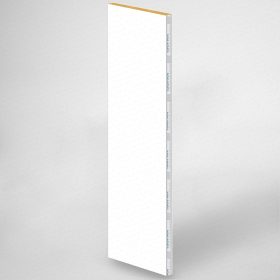 80mm
80mm 100mm
100mm Hinged Doors
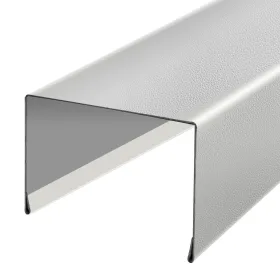 Flooring U Channel
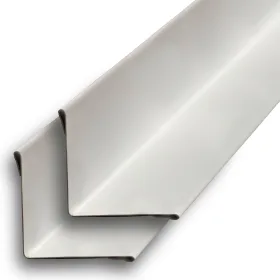 Internal Trims
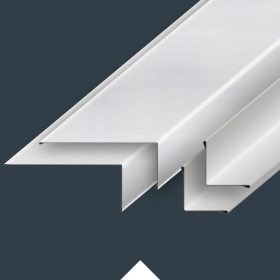 Angles
 External Angles
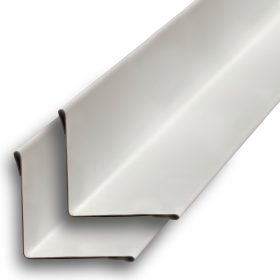 Internal Angles
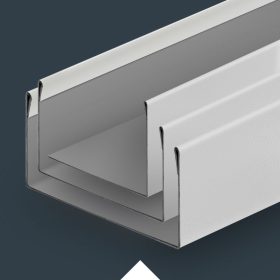 Channels
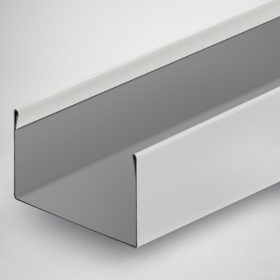 Chiller Channel
 Freezer Channel
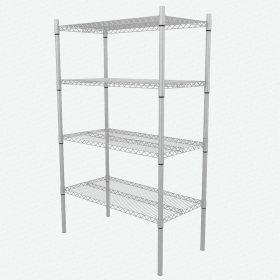 Cold Room Wire Shelving
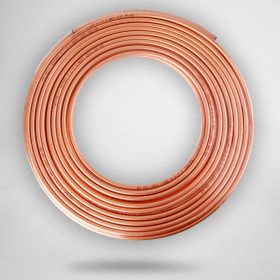 Copper Tube
 Pipe Insulation
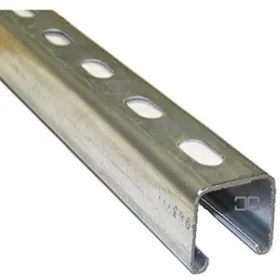 Channel
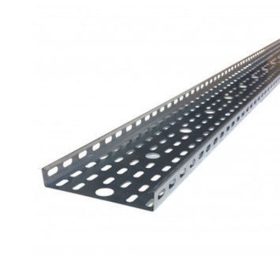 Cable Tray
 Fasteners
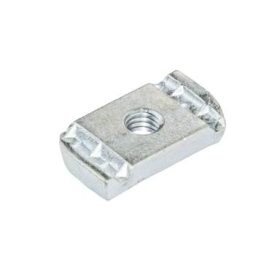 Fixing Accessories
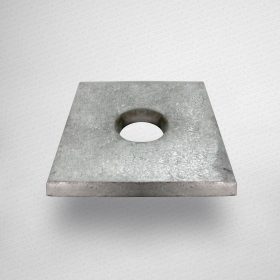 Studding, Nuts, Bolts & Washers
 Support Frame & Mounting Block
 Tape
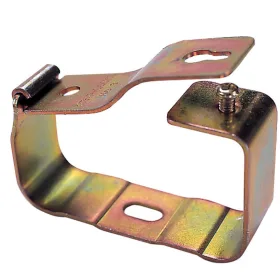
Tape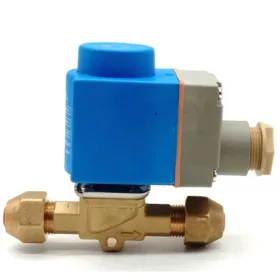 Brass Fittings
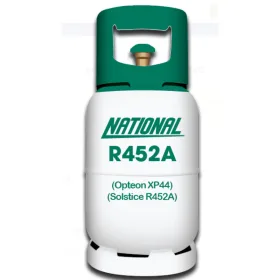 Refrigerant
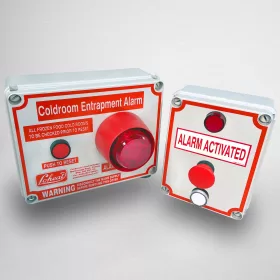 Cold Room Accessories
 Cable
Cable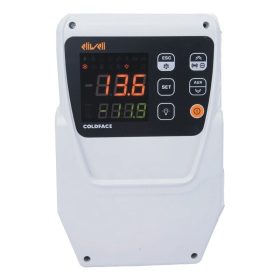 Cold Room Controller
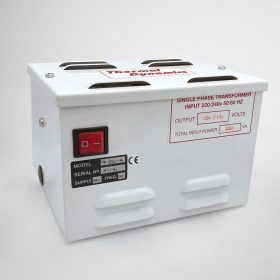 Cold Room Transformer
 Drain Pipe & Fittings
 Condensate Hoses
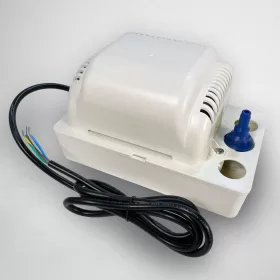 Condensate Pumps
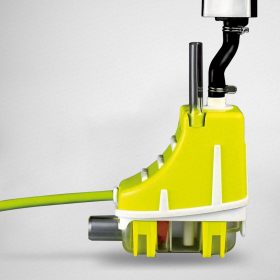 Air Conditioning Mini Pumps
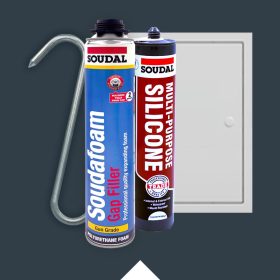 Ancillaries
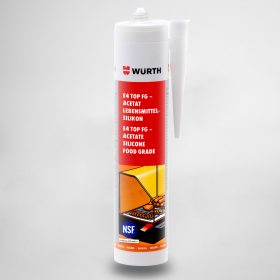 Silicon Sealant
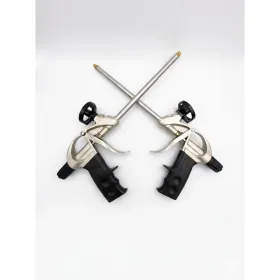 Expanding Foam
 Cable Ties
 Brazing
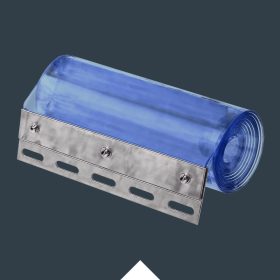 Temperature Barrier
 Meat Hanging System
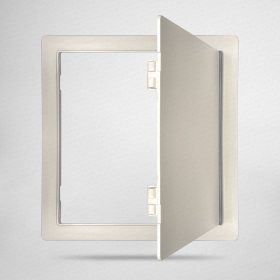 Access Panel
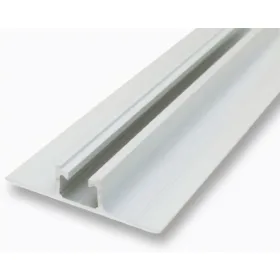 Ceiling Suspension
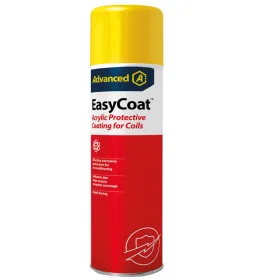 Chemical
 Leak Detector
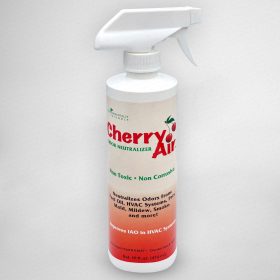 Odour Remover
 Flooring Parts
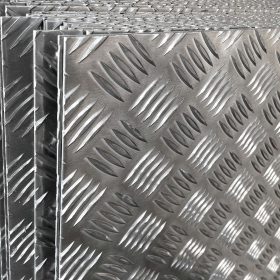 Checker Plate
 Tools & Workwear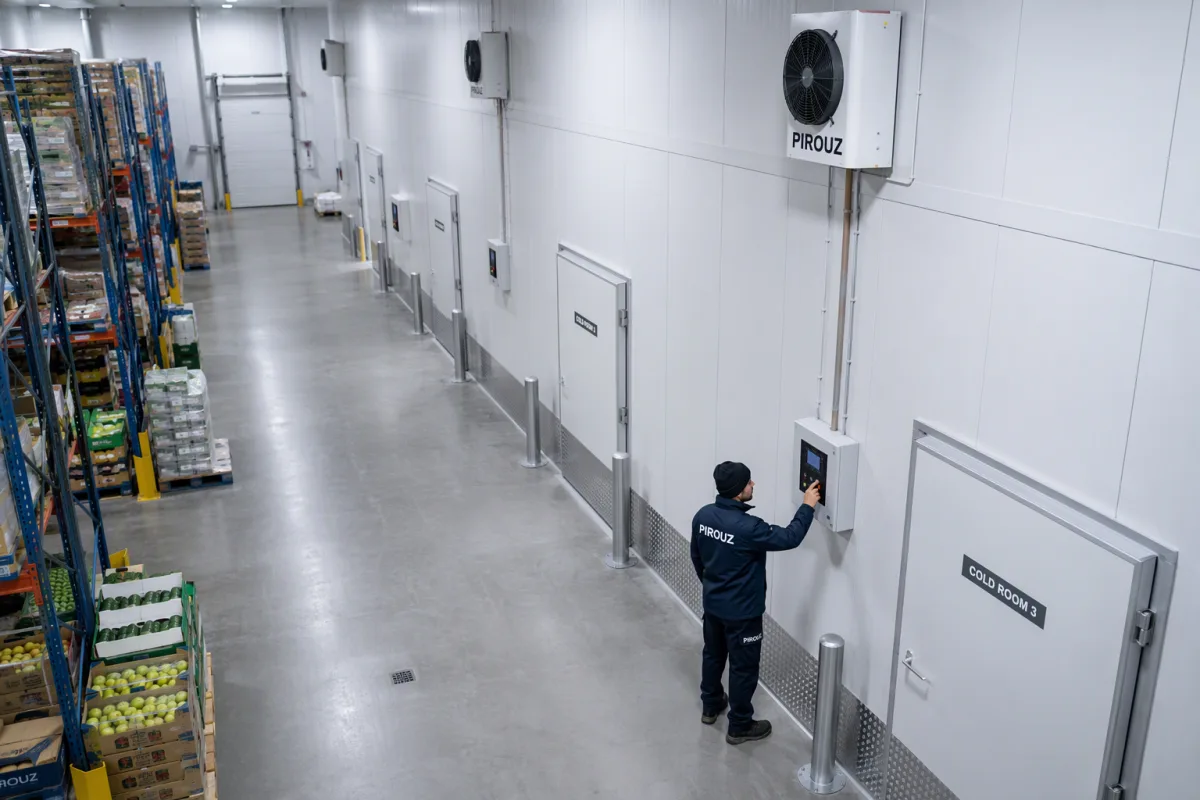
Maximising the operational life of cold storage facilities is a critical objective for businesses across the UK. Beyond initial functionality, a truly effective cold room provides consistent performance, minimises operational costs, and ensures regulatory compliance over many years. Achieving this longevity requires a strategic approach, encompassing everything from initial design and material selection to ongoing maintenance and energy management.
The Foundations of Durability: Design and Construction
The lifespan of a cold room begins long before the first item is stored within it. Robust design principles and quality construction are paramount. A well-designed cold room considers future demands, potential expansion, and the specific environmental conditions of its location. This foresight helps prevent premature wear and costly retrofits.
Material Selection: The Core of Cold Room Integrity
Choosing the right materials is fundamental to a cold room’s durability and thermal performance. Insulated panels, for example, are the backbone of the cold room envelope. High-quality PIR insulated panels offer superior thermal resistance, reducing heat ingress and subsequently decreasing the workload on refrigeration systems. This not only contributes to energy efficiency but also prolongs the life of the HVAC-R equipment.
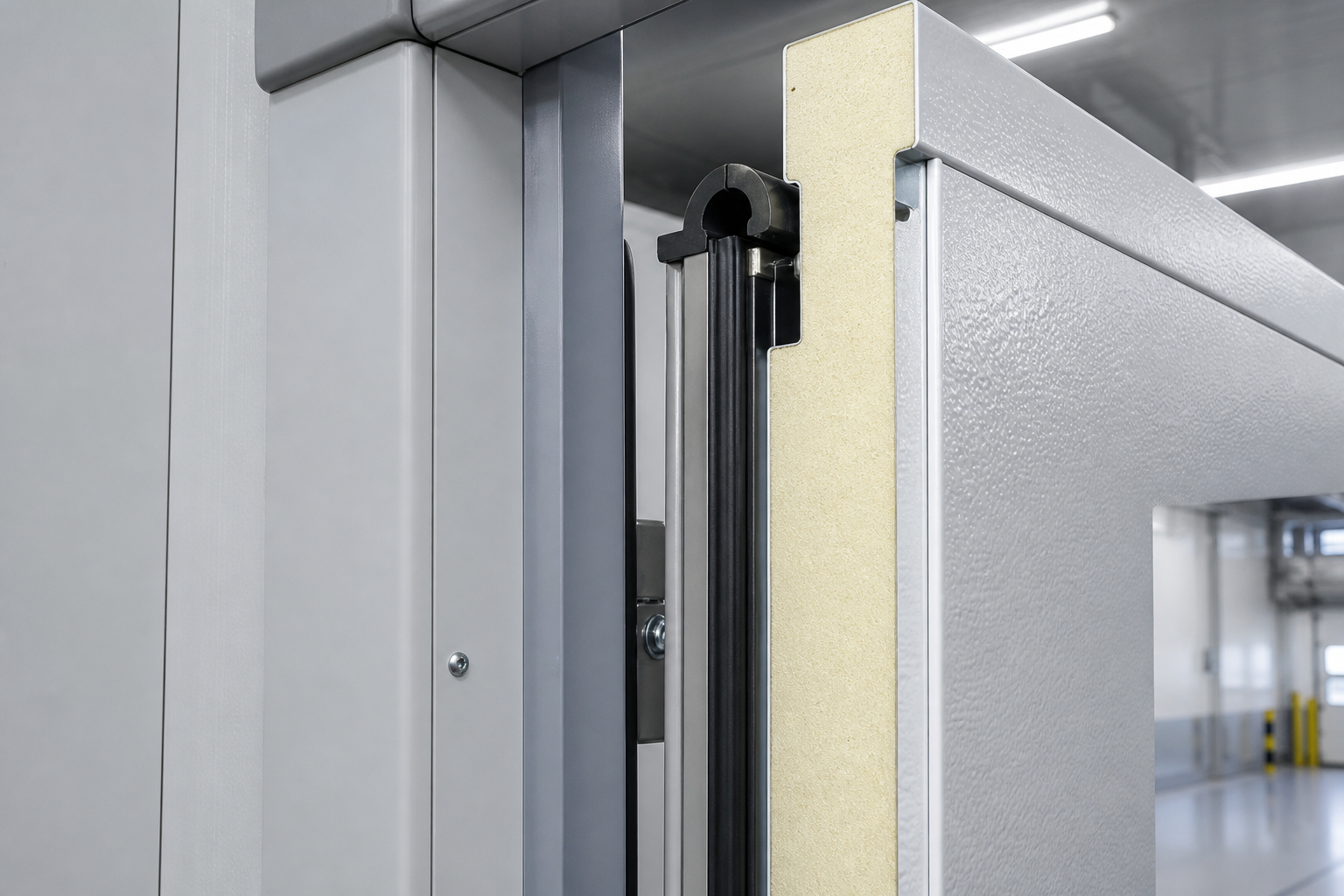
Equally important are the cold room doors. These are often high-traffic areas and points of potential thermal leakage. Durable, well-sealed cold room doors are essential to maintain internal temperatures and prevent condensation issues, which can degrade the cold room structure over time. Features like robust hinges, effective sealing mechanisms, and automatic closing functions contribute significantly to both efficiency and longevity.
Operational Efficiency and Ongoing Care
Even the most well-built cold room will degrade without proper operational practices and a diligent maintenance regime. Regular checks and proactive measures are key to identifying and addressing minor issues before they escalate into major problems.
The Role of Regular Maintenance
Planned Preventative Maintenance (PPM) is indispensable for extending the life of cold storage assets. This includes routine inspection of refrigeration components, checking for refrigerant leaks (crucial for F-Gas compliance in the UK), cleaning coils, and verifying the calibration of temperature controls. Neglecting these tasks can lead to increased energy consumption, system breakdowns, and accelerated wear on vital components.
Consider the impact of accurate temperature control. A reliable cold room controller is vital for maintaining stable conditions, protecting stored goods, and preventing the refrigeration system from overworking. Regular calibration ensures these controllers provide accurate readings and maintain optimal set points.
Energy Management for Sustainable Longevity
Energy consumption is a significant operational cost for cold storage facilities. Implementing effective energy management strategies not only reduces bills but also contributes to the longevity of the equipment by ensuring it operates under optimal, rather than strained, conditions. This involves:
Adhering to UK energy efficiency standards and seeking continuous improvements can significantly extend the economic and operational life of your cold room assets.
Compliance and Future-Proofing
The UK HVAC-R landscape is shaped by various regulations, notably the F-Gas Regulation, which governs the use of fluorinated greenhouse gases. Compliance is not just a legal requirement but also a driver for best practices that support longevity. Ensuring your systems are leak-tight and regularly inspected as per F-Gas requirements helps maintain system integrity and prevents environmental harm.
Furthermore, considering the long-term implications of technological advancements and evolving environmental targets is crucial. Investing in high-efficiency equipment and designs that allow for future upgrades or adaptation can future-proof your cold room and extend its relevance and functionality well into the future.
Key Takeaways
To discuss how to maximise the longevity and efficiency of your cold storage solutions, get in touch with our experts today. Request a tailored cold storage quote by filling out our cold storage quotation form.