 50mm
50mm 80mm
80mm 100mm
100mm Hinged Doors
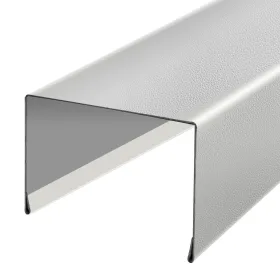 Flooring U Channel
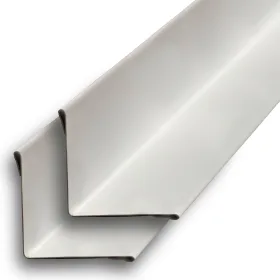 Internal Trims
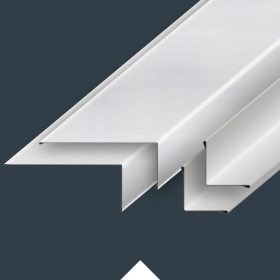 Angles
 External Angles
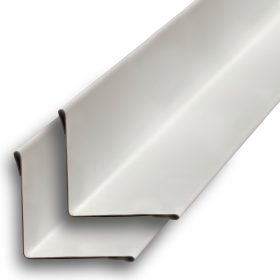 Internal Angles
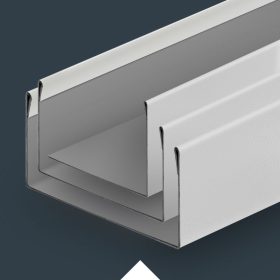 Channels
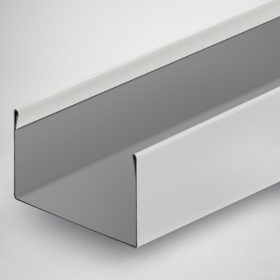 Chiller Channel
 Freezer Channel
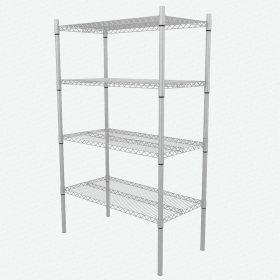 Cold Room Wire Shelving
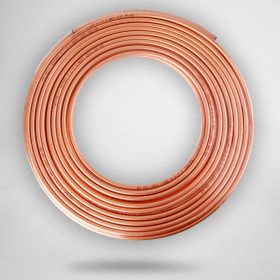 Copper Tube
 Pipe Insulation
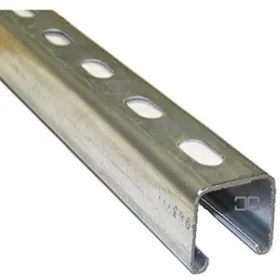 Channel
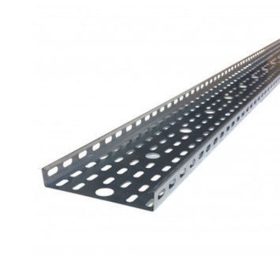 Cable Tray
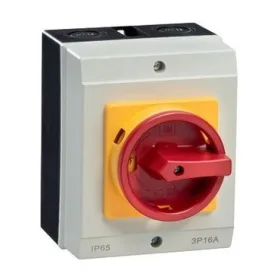 Fasteners
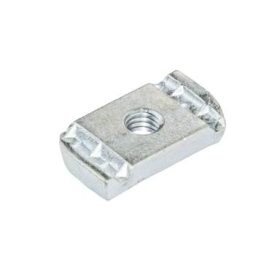 Fixing Accessories
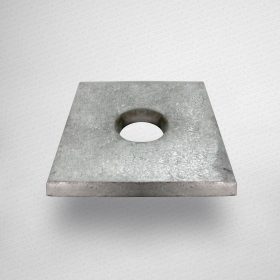 Studding, Nuts, Bolts & Washers
 Support Frame & Mounting Block
 Tape
Tape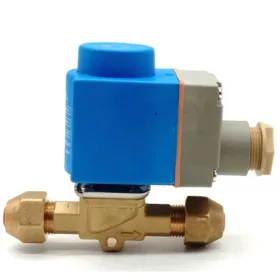 Brass Fittings
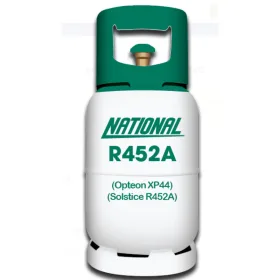 Refrigerant
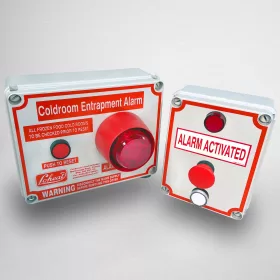 Cold Room Accessories
 Cable
Cable Cold Room Controller
 Cold Room Transformer
 Drain Pipe & Fittings
 Condensate Hoses
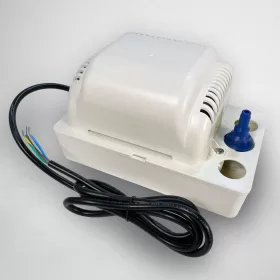 Condensate Pumps
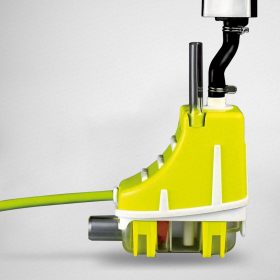 Air Conditioning Mini Pumps
 Ancillaries
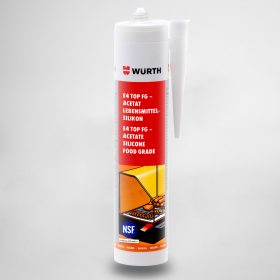 Silicon Sealant
 Expanding Foam
 Cable Ties
 Brazing
 Temperature Barrier
 Meat Hanging System
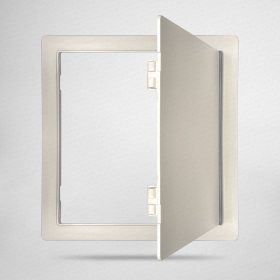 Access Panel
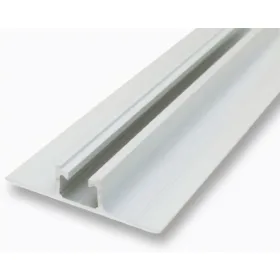 Ceiling Suspension
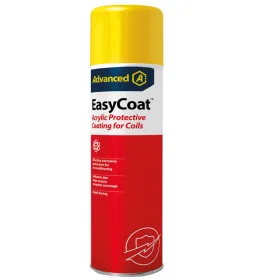 Chemical
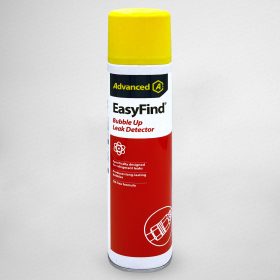 Leak Detector
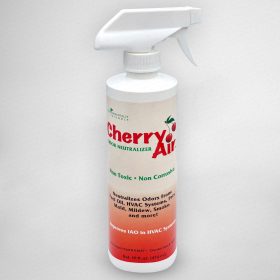 Odour Remover
 Flooring Parts
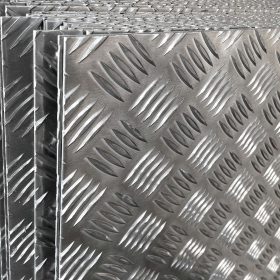 Checker Plate
 Tools & Workwear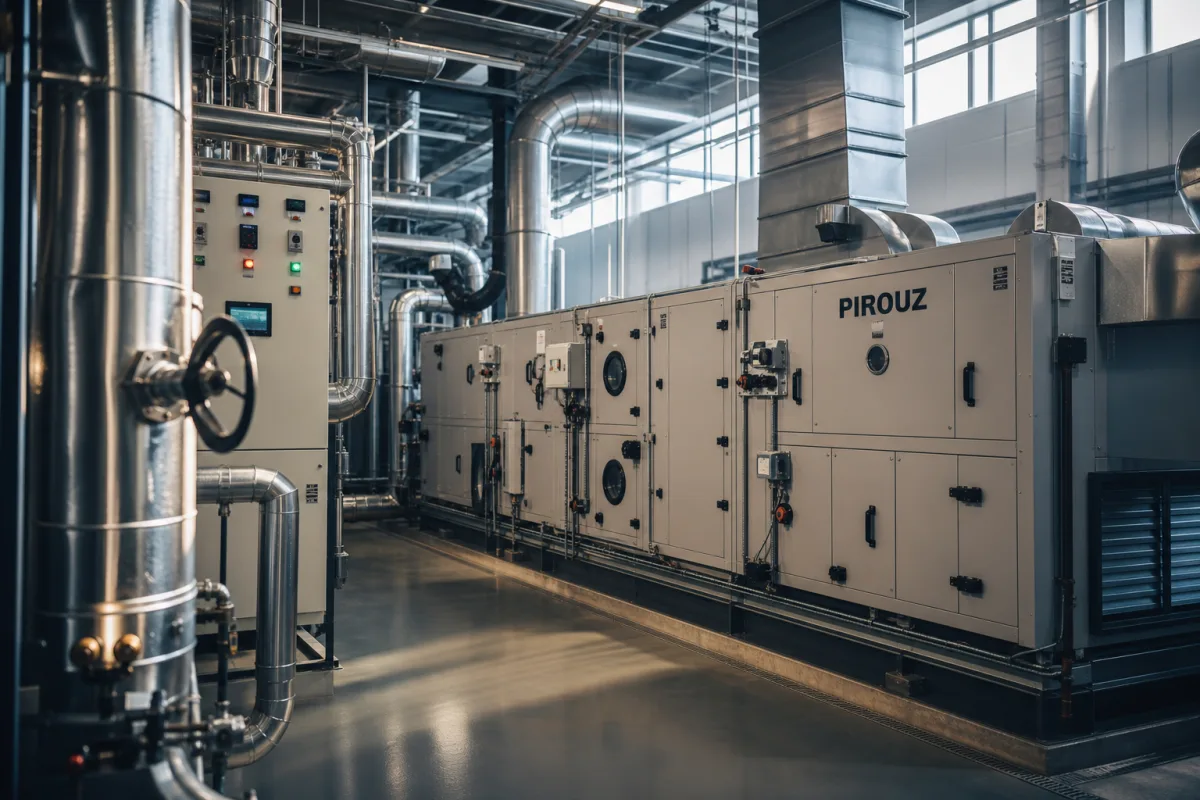
Optimising UK HVAC-R: The Power of Planned Preventative Maintenance
In the dynamic landscape of commercial and industrial operations across the UK, heating, ventilation, air conditioning, and refrigeration (HVAC-R) systems are the silent workhorses. They are critical for maintaining comfortable environments, preserving sensitive goods, and ensuring operational continuity. However, like any complex machinery, these systems require diligent care to perform optimally. This is where planned preventative maintenance (PPM) becomes indispensable, offering a strategic approach that goes far beyond simple reactive repairs.
PPM involves a schedule of proactive inspections, servicing, and component replacements designed to prevent system failures before they occur. For UK businesses and facilities managers, embracing a robust PPM strategy is not merely a best practice; it is a fundamental aspect of responsible and efficient operation.
Compliance and Regulatory Adherence
One of the most compelling reasons for implementing PPM in the UK HVAC-R sector is the imperative of regulatory compliance. The F-Gas Regulation (EU) No 517/2014, for instance, mandates regular leak checks and record-keeping for systems containing fluorinated greenhouse gases. Non-compliance can lead to significant fines and reputational damage. A structured PPM programme ensures that all F-Gas requirements are met, records are meticulously kept, and certified engineers conduct work in line with legislation.
Beyond F-Gas, other regulations such as the Pressure Systems Safety Regulations 2000 (PSSR) and general health and safety legislation (e.g., PUWER – Provision and Use of Work Equipment Regulations 1998) also apply to various components within HVAC-R systems. Regular maintenance checks identify potential hazards, ensure equipment is safe to operate, and verify that all safety protocols are followed, safeguarding both personnel and the public.
Boosting Energy Efficiency and Reducing Operational Costs
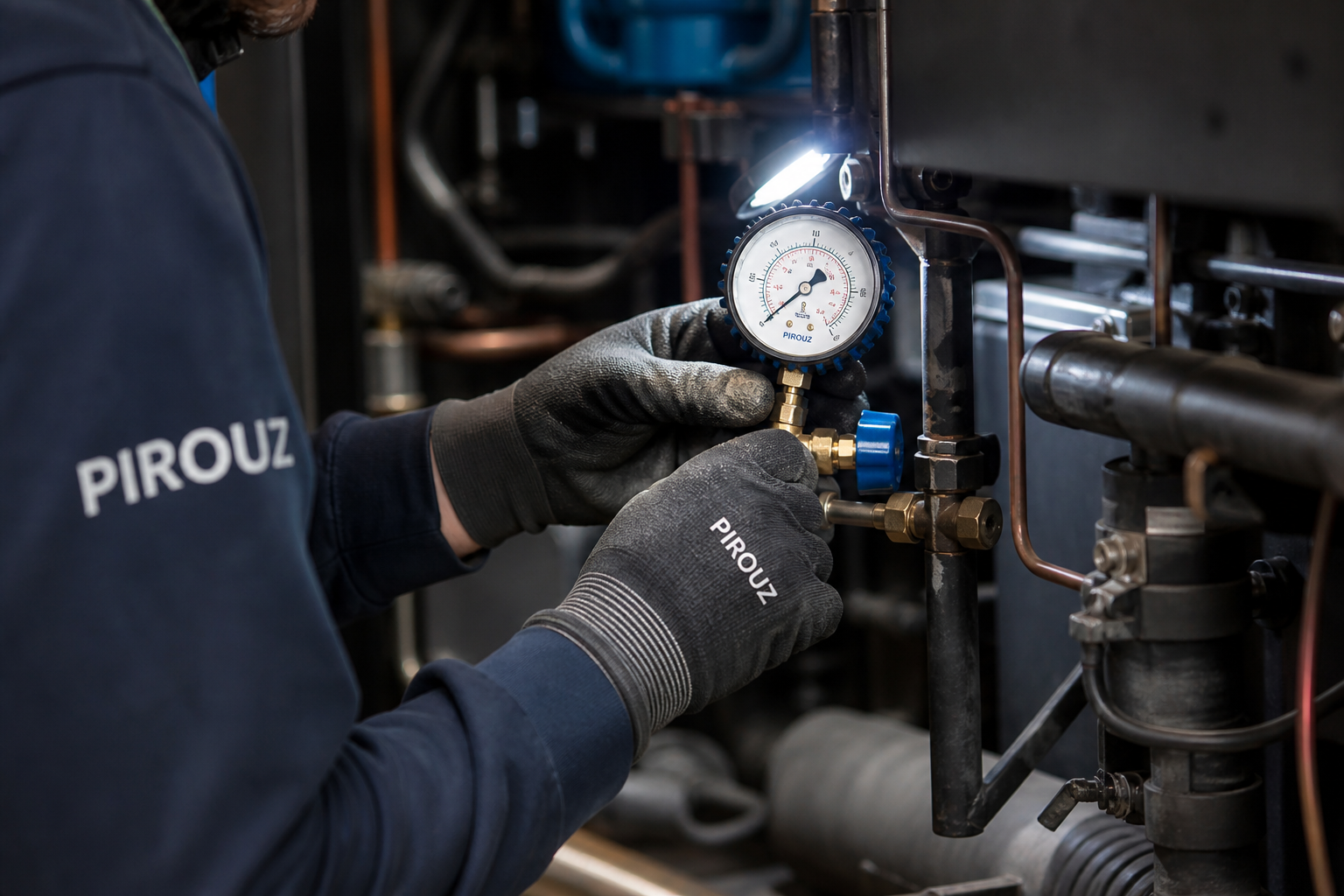
In an era of rising energy costs and increased environmental scrutiny, the energy consumption of HVAC-R systems is a significant concern for UK businesses. An unmaintained system can quietly become an energy guzzler. Filters clogged with dust, coils covered in grime, worn belts, or refrigerant leaks force systems to work harder, consuming more electricity to achieve desired temperatures.
PPM directly addresses these inefficiencies. Regular cleaning of coils and filters improves airflow and heat exchange. Lubrication of moving parts reduces friction and wear. Timely detection and repair of refrigerant leaks restore system efficiency and prevent costly refrigerant loss. By ensuring all components are operating at their peak, PPM can lead to substantial reductions in energy consumption, translating into lower utility bills and a reduced carbon footprint. This proactive approach supports a business’s sustainability goals and offers a tangible return on investment through energy savings.
Extending System Lifespan and Enhancing Reliability
The capital investment in HVAC-R infrastructure is considerable. Maximising the operational life of these assets is a key objective for any facility manager. Reactive maintenance, often triggered by a breakdown, tends to be more expensive, disruptive, and can lead to premature system failure.
PPM, by contrast, is about longevity. Routine checks can identify minor issues before they escalate into major breakdowns. For example, detecting a failing motor bearing during a scheduled inspection allows for a timely, cost-effective replacement, preventing the motor from seizing and potentially damaging other components. This proactive vigilance minimises unexpected downtime, ensuring critical systems remain operational when needed most. Businesses can avoid the disruption of emergency repairs and the expense of accelerated equipment replacement, enjoying a more predictable and reliable operational environment.
The Role of Qualified UK HVAC-R Engineers
The success of any PPM strategy hinges on the expertise of the professionals carrying it out. In the UK, it is vital to engage qualified and certified HVAC-R engineers who possess the necessary F-Gas certification and understand the specific demands of modern systems. These specialists not only perform routine tasks but also diagnose potential future issues, provide expert advice on system optimisation, and ensure all work adheres to current British Standards and industry best practices. Their experience with a wide range of equipment and dedication to continuous professional development ensure that your HVAC-R assets are in capable hands.