 50mm
50mm 80mm
80mm 100mm
100mm Hinged Doors
 Flooring U Channel
 Internal Trims
 Angles
 External Angles
 Internal Angles
 Channels
 Chiller Channel
 Freezer Channel
 Cold Room Wire Shelving
 Copper Tube
 Pipe Insulation
 Channel
 Cable Tray
 Fasteners
 Fixing Accessories
 Studding, Nuts, Bolts & Washers
 Support Frame & Mounting Block
 Tape
Tape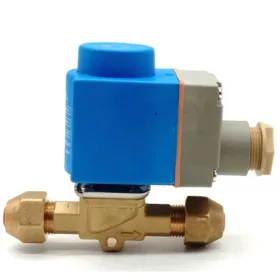 Brass Fittings
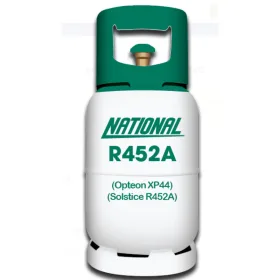 Refrigerant
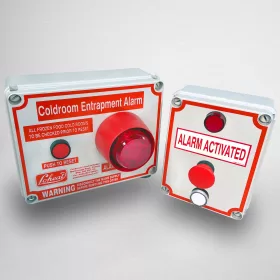 Cold Room Accessories
 Cable
Cable Cold Room Controller
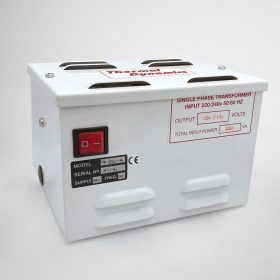 Cold Room Transformer
 Drain Pipe & Fittings
 Condensate Hoses
 Condensate Pumps
 Air Conditioning Mini Pumps
 Ancillaries
 Silicon Sealant
 Expanding Foam
 Cable Ties
 Brazing
 Temperature Barrier
 Meat Hanging System
 Access Panel
 Ceiling Suspension
 Chemical
 Leak Detector
 Odour Remover
 Flooring Parts
 Checker Plate
 Tools & Workwear
As custodians of critical infrastructure, UK facilities managers and HVAC-R professionals face a complex landscape of regulations designed to protect our environment. Among the most significant are the F-Gas Regulations, which govern the use of fluorinated greenhouse gases (F-gases) found in many refrigeration, air conditioning, and heat pump systems. Adhering to these rules is not merely a legal obligation; it is a fundamental aspect of responsible business practice, ensuring operational efficiency and contributing to broader climate goals.
These regulations are continuously evolving, reflecting global commitments to reduce emissions. For any business operating HVAC-R equipment containing F-gases, understanding and actively managing compliance is paramount to avoid potential penalties, minimise environmental impact, and maintain system integrity.
Understanding F-Gas Regulations in the UK
F-gases, primarily hydrofluorocarbons (HFCs), are potent greenhouse gases with a high Global Warming Potential (GWP) – thousands of times more impactful than carbon dioxide over a 100-year period. Their widespread use in HVAC-R applications necessitates strict controls to prevent their release into the atmosphere. The UK’s approach to F-Gas regulations aligns with international agreements and seeks to phase down the use of these harmful substances.
Key Requirements for UK Facilities
The regulations impose several critical obligations on operators of F-gas containing equipment:
Essential Steps for F-Gas Compliance
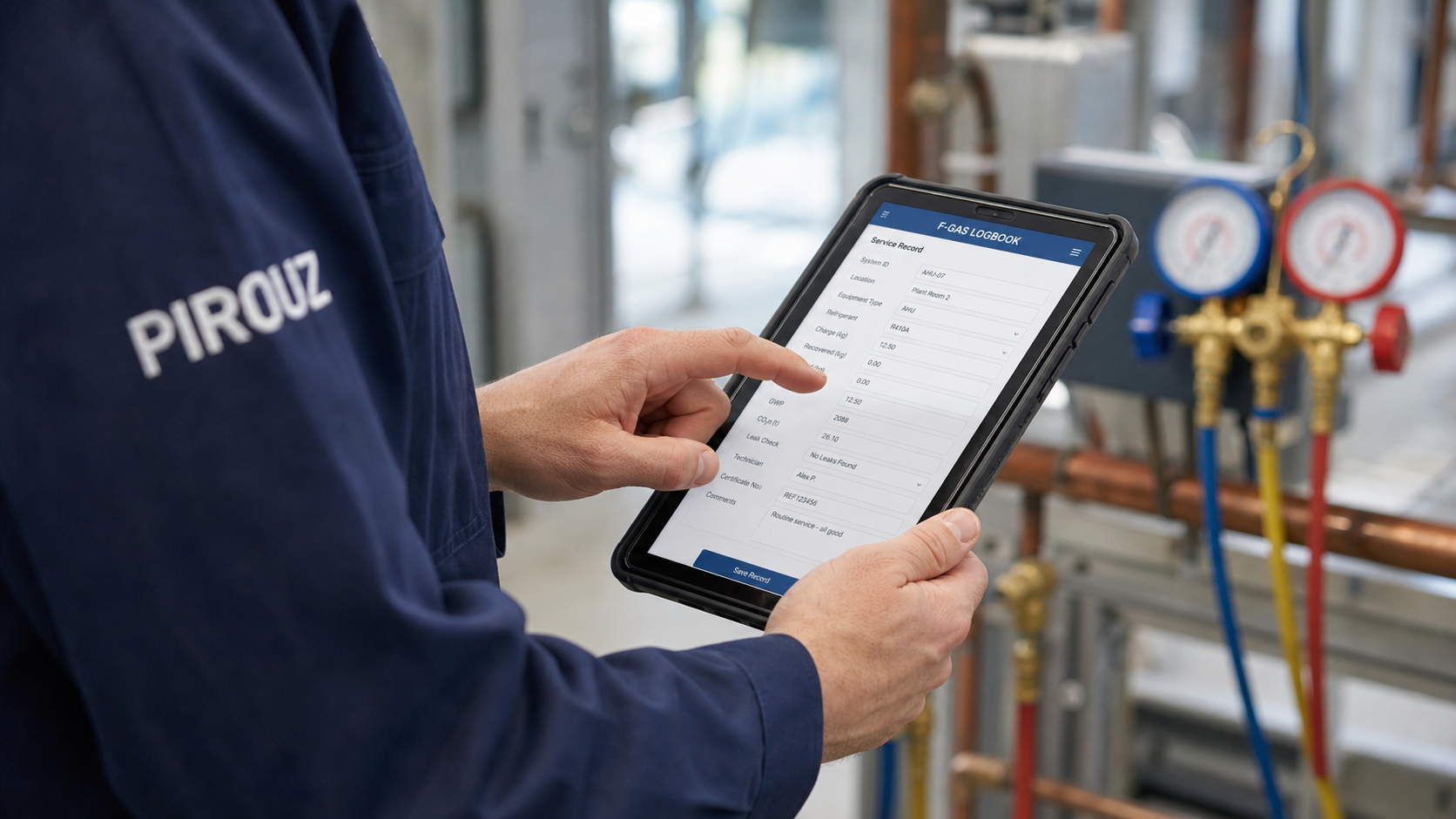
Achieving and maintaining F-Gas compliance requires a proactive and systematic approach. It is not a one-off task but an ongoing commitment to best practice.
Regular Leakage Checks and Maintenance
The cornerstone of F-Gas compliance is rigorous leak detection and prevention. Equipment owners must ensure that systems are inspected at prescribed intervals, varying from every 3 months for larger charges to less frequently for smaller systems. These checks must be carried out by F-Gas certified engineers using appropriate detection equipment. Early detection and repair of leaks not only prevent environmental harm but also reduce refrigerant top-up costs and maintain system efficiency, ultimately saving energy.
Accurate Record Keeping and Reporting
Detailed and accurate record-keeping is non-negotiable. An F-Gas logbook should document every aspect of refrigerant management, including:
These records serve as proof of compliance and are essential for any audits. While most UK businesses do not need to submit annual F-gas reports to the Environment Agency, accurate internal records remain a legal requirement.
Personnel Certification and Training
The legal requirement for all personnel working with F-gases to be certified under the F-Gas Regulations cannot be overstated. This ensures that work is carried out competently, safely, and in an environmentally responsible manner. Businesses should verify the certification of any third-party contractors and ensure their in-house teams receive appropriate, up-to-date training. The correct handling of refrigerants is vital to prevent accidental releases and ensure the longevity and efficiency of HVAC-R systems.
The Benefits of Proactive F-Gas Management
Beyond legal obligations, there are significant advantages to embedding robust F-Gas management into your operational strategy.
Environmental Stewardship
By diligently complying with F-Gas regulations, businesses actively contribute to reducing greenhouse gas emissions. This aligns with corporate social responsibility goals and demonstrates a commitment to sustainable practices, enhancing public perception and stakeholder trust. Responsible refrigerant handling is a tangible step towards mitigating climate change.
Operational Efficiency and Cost Savings
Leaking refrigerants lead to reduced system performance, higher energy consumption, and increased operational costs due to the need for frequent top-ups and potential system failures. Proactive leak detection and regular maintenance, as mandated by F-Gas regulations, ensure systems run optimally. This translates directly into lower energy bills, extended equipment lifespan, and reduced expenditure on replacement refrigerants.
Ensuring Business Continuity
Non-compliance with F-Gas regulations can result in substantial fines and legal repercussions, potentially disrupting business operations and damaging reputation. By adhering to the rules, UK facilities safeguard their business continuity, avoid costly penalties, and maintain a positive standing within their industry and community.
*
Key Takeaways:**