 50mm
50mm 80mm
80mm 100mm
100mm Hinged Doors
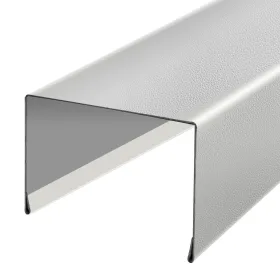 Flooring U Channel
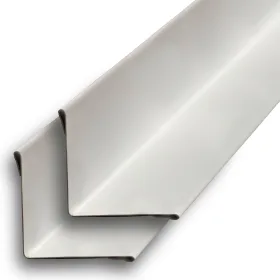 Internal Trims
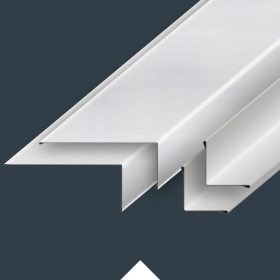 Angles
 External Angles
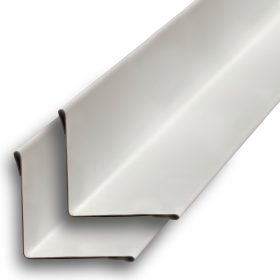 Internal Angles
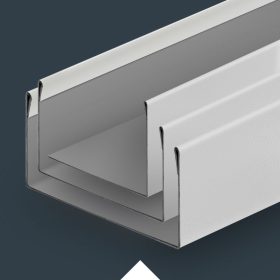 Channels
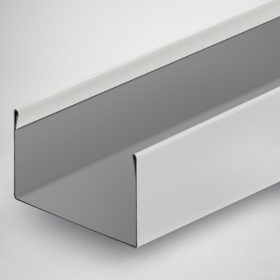 Chiller Channel
 Freezer Channel
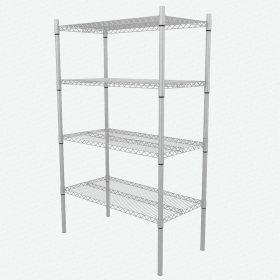 Cold Room Wire Shelving
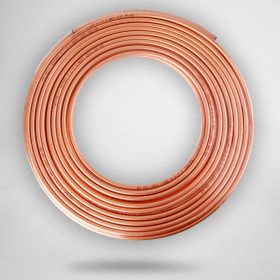 Copper Tube
 Pipe Insulation
 Channel
 Cable Tray
 Fasteners
 Fixing Accessories
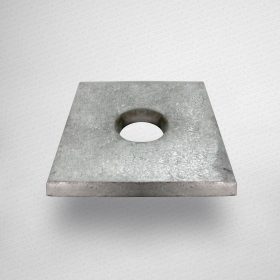 Studding, Nuts, Bolts & Washers
 Support Frame & Mounting Block
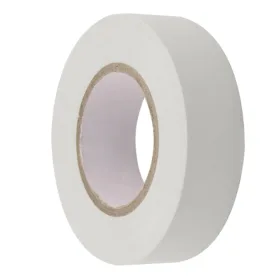 Tape
Tape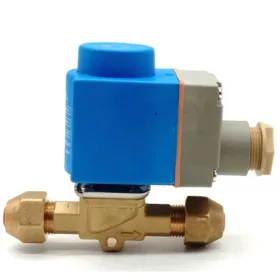 Brass Fittings
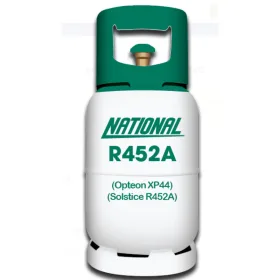 Refrigerant
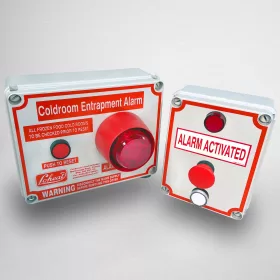 Cold Room Accessories
 Cable
Cable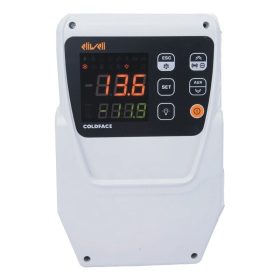 Cold Room Controller
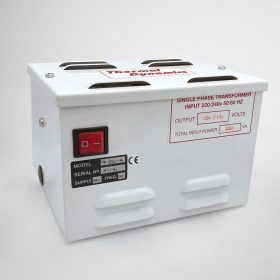 Cold Room Transformer
 Drain Pipe & Fittings
 Condensate Hoses
 Condensate Pumps
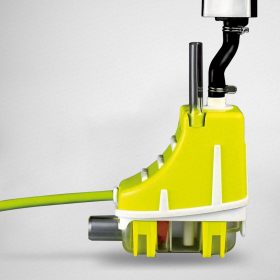 Air Conditioning Mini Pumps
 Ancillaries
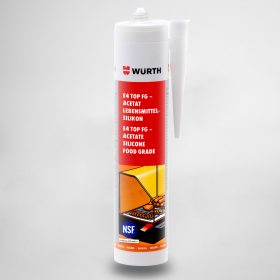 Silicon Sealant
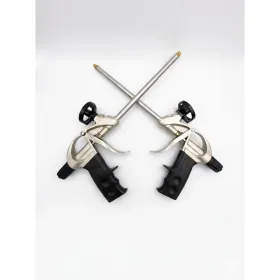 Expanding Foam
 Cable Ties
 Brazing
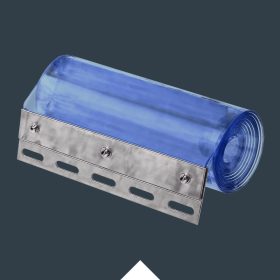 Temperature Barrier
 Meat Hanging System
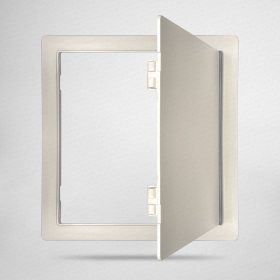 Access Panel
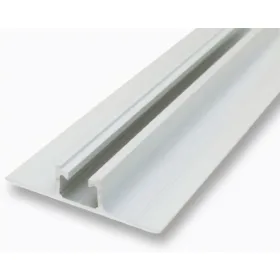 Ceiling Suspension
 Chemical
 Leak Detector
 Odour Remover
 Flooring Parts
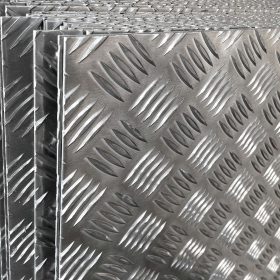 Checker Plate
 Tools & Workwear
In the competitive landscape of UK businesses, particularly those reliant on precise temperature control, optimising cold room performance is more critical than ever. With rising energy costs and stringent environmental targets, an efficient cold room is no longer a luxury but a necessity. Beyond simply maintaining temperature, the design and component selection of your cold storage facility play a pivotal role in its long-term operational efficiency and overall sustainability. This article explores how strategic design and quality components can lead to significant energy savings and operational improvements for UK facilities managers and business owners.
The Foundation: Intelligent Cold Room Design
A truly efficient cold room begins long before refrigeration units are installed. It starts with thoughtful design that considers both current needs and future expansion, focusing on minimising heat gain and maximising system performance.
Site Considerations and Layout
The initial placement and layout of a cold room can dramatically impact its efficiency. Positioning a cold room away from direct sunlight or heat-generating equipment can reduce the load on refrigeration systems. Furthermore, optimising the internal layout for smooth workflow and minimal door openings contributes to stable temperatures and less energy waste. Grouping similar temperature zones and creating efficient loading/unloading areas are subtle yet effective design choices that pay dividends.
Prioritising Thermal Envelope Integrity
The cold room’s thermal envelope – its walls, ceiling, and floor – is the primary barrier against external heat. High-quality insulation is paramount. Materials with excellent thermal resistance are essential to prevent heat ingress, which forces refrigeration systems to work harder. In the UK, robust, high-performance insulation, such as PIR insulated panels, offers superior thermal properties. These panels are engineered to create a tightly sealed, highly insulative structure, making them an ideal choice for maintaining consistent temperatures and reducing energy consumption over time. For more information on effective insulation solutions, consider exploring `https://www.pirouz.co.uk/pir-insulated-panels-80mm/`.
Critical Components for Sustained Performance
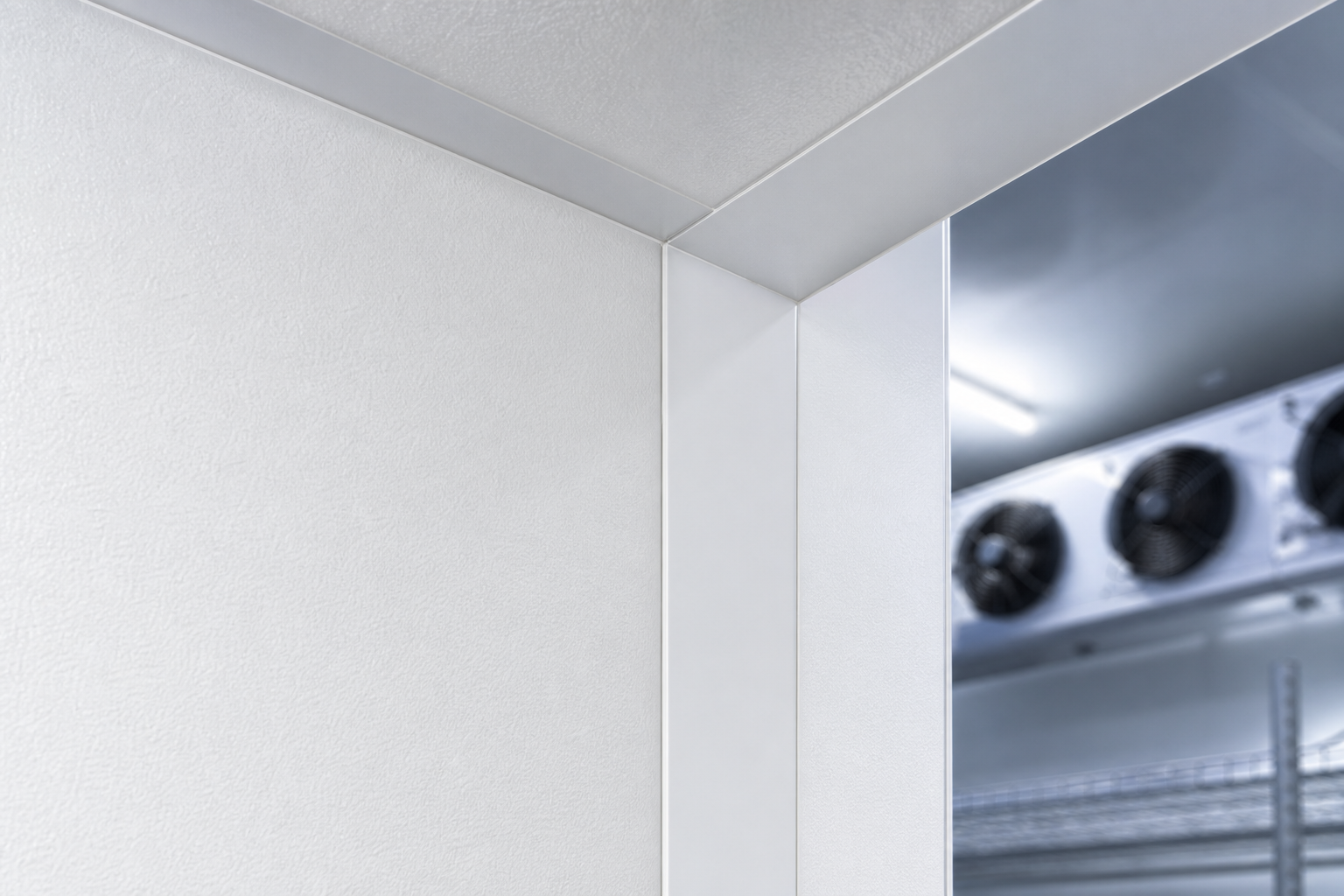
While the overall design sets the stage, the individual components within a cold room are equally vital for maintaining energy efficiency and reliable operation.
The Role of High-Quality Cold Room Doors
Doors are often the weakest point in a cold room’s thermal envelope. Frequent openings and inadequate sealing can lead to significant temperature fluctuations and energy loss. Investing in robust, well-insulated cold room doors with effective sealing mechanisms is crucial. Rapid-action doors, strip curtains, and automatic closing features can further minimise the time doors are open, reducing thermal leakage. For a range of reliable options, explore quality `https://www.pirouz.co.uk/product-category/cold-room-door/` designed for high performance.
Advanced Temperature Control Systems
Modern cold rooms benefit immensely from sophisticated control systems that offer precise temperature management and proactive monitoring. These systems can optimise defrost cycles, manage fan speeds, and even integrate with building management systems (BMS) for centralised control and data analysis. Accurate sensors and smart algorithms ensure that refrigeration units operate only when necessary, avoiding unnecessary energy expenditure while maintaining optimal conditions.
Effective Condensate Management
Condensate is an inevitable byproduct of refrigeration, and if not managed effectively, it can lead to maintenance issues, hygiene concerns, and even reduced efficiency. Proper drainage and condensate evaporator systems are crucial for preventing ice build-up, which can impede airflow over coils and reduce the overall cooling capacity of the system. Regular checks and maintenance of these systems are vital for sustained efficiency.
Long-Term Benefits for UK Businesses
The commitment to intelligent design and quality components for cold storage yields significant advantages for UK businesses operating across various sectors.
Reduced Operational Costs
The most immediate and tangible benefit is the reduction in operational costs. By minimising heat gain and optimising refrigeration cycles, energy consumption drops significantly. This directly translates into lower utility bills, a welcome relief for any business grappling with the rising cost of electricity in the UK.
Regulatory Compliance and Sustainability Goals
Efficient cold rooms also support compliance with environmental regulations and contribute positively to corporate sustainability goals. Reduced energy use means a smaller carbon footprint, aligning businesses with broader national and international efforts towards net-zero emissions. Furthermore, a well-maintained, efficient system is less prone to refrigerant leaks, supporting F-Gas regulatory compliance and protecting the environment.
Key Takeaways:
Ready to enhance your cold storage capabilities and achieve greater energy efficiency? Request a quote for bespoke cold room solutions designed for your specific UK business needs today.