 50mm
50mm 80mm
80mm 100mm
100mm Hinged Doors
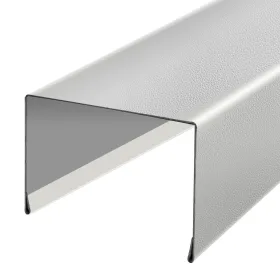 Flooring U Channel
 Internal Trims
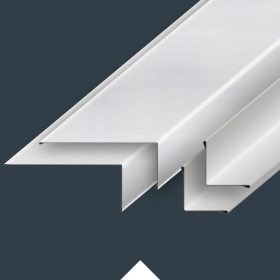 Angles
 External Angles
 Internal Angles
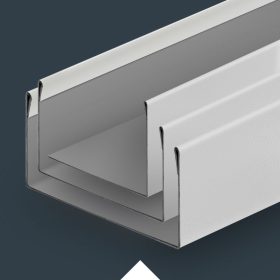 Channels
 Chiller Channel
 Freezer Channel
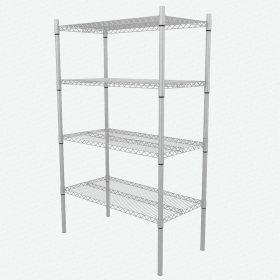 Cold Room Wire Shelving
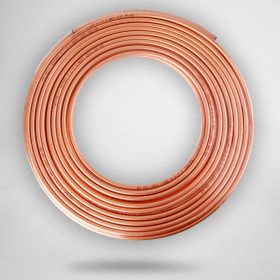 Copper Tube
 Pipe Insulation
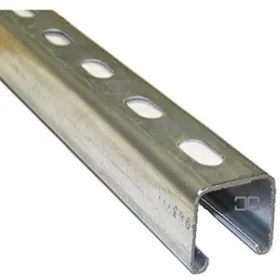 Channel
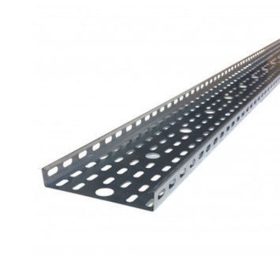 Cable Tray
 Fasteners
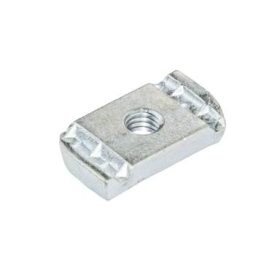 Fixing Accessories
 Studding, Nuts, Bolts & Washers
 Support Frame & Mounting Block
 Tape
Tape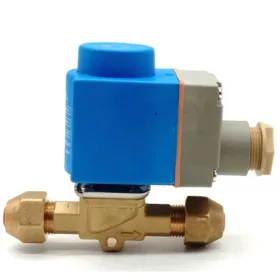 Brass Fittings
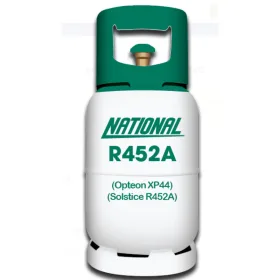 Refrigerant
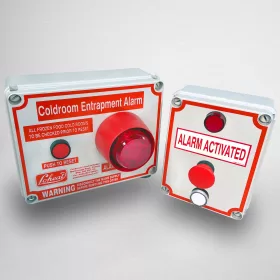 Cold Room Accessories
 Cable
Cable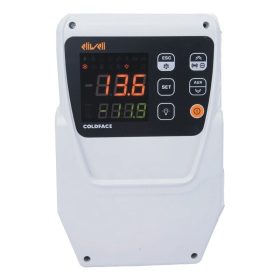 Cold Room Controller
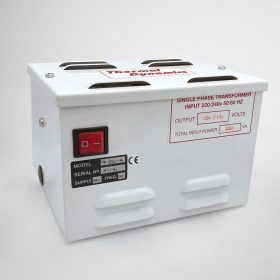 Cold Room Transformer
 Drain Pipe & Fittings
 Condensate Hoses
 Condensate Pumps
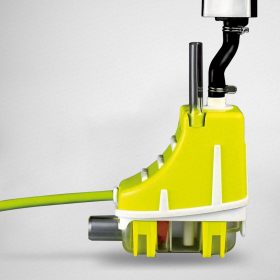 Air Conditioning Mini Pumps
 Ancillaries
 Silicon Sealant
 Expanding Foam
 Cable Ties
 Brazing
 Temperature Barrier
 Meat Hanging System
 Access Panel
 Ceiling Suspension
 Chemical
 Leak Detector
 Odour Remover
 Flooring Parts
 Checker Plate
 Tools & Workwear
Modern commercial cold storage facilities in the UK face increasing pressure to operate efficiently. With rising energy costs and stringent environmental regulations, optimising these vital systems is no longer just an option – it’s a necessity. For businesses reliant on temperature-controlled environments, such as those in food service, pharmaceuticals, or logistics, ensuring peak performance of their cold rooms directly impacts profitability and product integrity.
The Imperative for Efficiency in UK Cold Storage
Rising Energy Costs and Environmental Targets
The UK government’s ambitious net-zero targets and the volatile energy market mean that businesses must critically assess their energy consumption. Cold storage systems are notoriously energy-intensive, often representing a significant portion of a facility’s overall energy bill. Investing in efficiency improvements can lead to substantial reductions in operational expenditure, safeguarding budgets against future energy price fluctuations. Furthermore, reducing energy usage contributes to a lower carbon footprint, aligning businesses with national sustainability goals and enhancing their corporate social responsibility.
Operational Benefits Beyond Savings
Beyond the immediate financial and environmental advantages, an efficient cold storage system offers numerous operational benefits. Consistent and precise temperature control minimises spoilage and ensures product quality and safety, which is paramount for sensitive goods. Reliable equipment also means less downtime, reducing the risk of costly interruptions to supply chains and operations. A well-maintained and efficient system contributes to a safer working environment and can extend the lifespan of valuable HVAC-R assets, deferring capital expenditure on replacements.
Key Strategies for Optimising Cold Storage Performance

Achieving optimal efficiency requires a multi-faceted approach, combining robust infrastructure with smart technology and diligent maintenance.
Advanced Insulation and Building Fabric
The thermal envelope of a cold room is its first line of defence against heat ingress. High-performance insulation materials are crucial for minimising thermal transfer and reducing the workload on refrigeration units. This includes not only the walls and ceiling but also the floor and, critically, the doors. Insulated panels, such as PIR insulated panels, offer superior thermal resistance, preventing energy waste. Similarly, high-quality, rapidly closing cold room doors with effective seals are essential. Gaps or worn seals can lead to significant energy loss and ice build-up, compromising efficiency and safety.
Efficient Refrigeration Systems and Controls
Modern refrigeration technologies offer significant efficiency gains over older systems. Look for units with energy-efficient compressors, variable speed drives (VSDs), and advanced defrost mechanisms. Integrating smart cold room controllers allows for precise temperature management, real-time monitoring, and optimisation of defrost cycles based on actual conditions rather than fixed schedules. These intelligent systems can adapt to fluctuating loads, further reducing energy consumption and ensuring stable temperatures.
Regular Maintenance and F-Gas Compliance
Planned preventative maintenance (PPM) is indispensable for sustaining cold storage efficiency. Regular checks of condensers, evaporators, fans, and refrigerant levels ensure systems run optimally. Dirty coils, for example, can drastically reduce efficiency. For UK facilities, adherence to F-Gas regulations is also mandatory. This involves regular leak checks, proper refrigerant handling, and maintaining accurate records. Compliance not only avoids penalties but also ensures that refrigeration systems are operating as designed, preventing costly refrigerant leaks and maintaining performance.
Operational Best Practices
Beyond equipment, day-to-day operational practices play a vital role. Minimising door open times through efficient loading/unloading procedures and staff training can significantly reduce heat ingress. Proper stock rotation and avoiding overloading cold rooms also ensure adequate airflow around products, allowing refrigeration systems to operate more effectively. Regular cleaning of the cold room interior prevents blockages and maintains hygiene standards.
The Long-Term Advantages of a Proactive Approach
Embracing these strategies for commercial cold storage efficiency offers long-term benefits that extend beyond immediate cost savings. It fosters a more sustainable and resilient operation, better prepared for future regulatory changes and market demands. A proactive approach enhances your reputation as a responsible business and strengthens your position in a competitive UK market, ensuring your cold chain remains robust and reliable.
For expert advice on optimising your cold storage facilities and to explore our range of high-performance components, request a cold storage quotation today.