 50mm
50mm 80mm
80mm 100mm
100mm Hinged Doors
 Flooring U Channel
 Internal Trims
 Angles
 External Angles
 Internal Angles
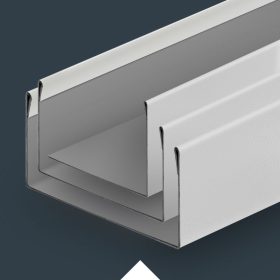 Channels
 Chiller Channel
 Freezer Channel
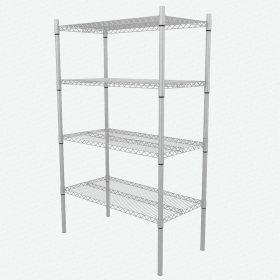 Cold Room Wire Shelving
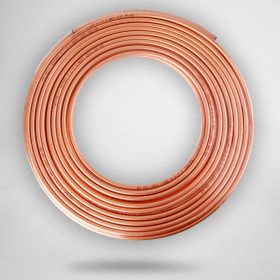 Copper Tube
 Pipe Insulation
 Channel
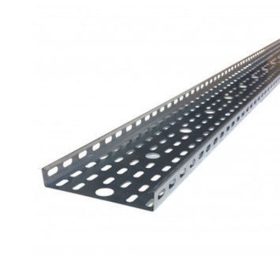 Cable Tray
 Fasteners
 Fixing Accessories
 Studding, Nuts, Bolts & Washers
 Support Frame & Mounting Block
 Tape
Tape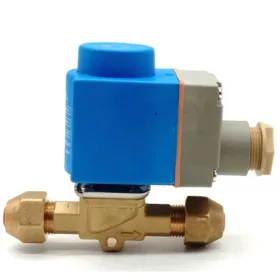 Brass Fittings
 Refrigerant
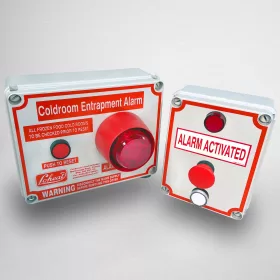 Cold Room Accessories
 Cable
Cable Cold Room Controller
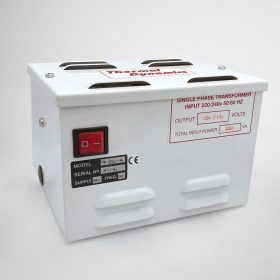 Cold Room Transformer
 Drain Pipe & Fittings
 Condensate Hoses
 Condensate Pumps
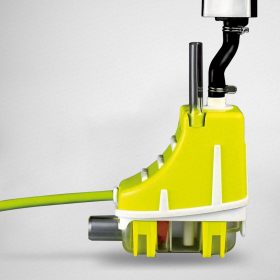 Air Conditioning Mini Pumps
 Ancillaries
 Silicon Sealant
 Expanding Foam
 Cable Ties
 Brazing
 Temperature Barrier
 Meat Hanging System
 Access Panel
 Ceiling Suspension
 Chemical
 Leak Detector
 Odour Remover
 Flooring Parts
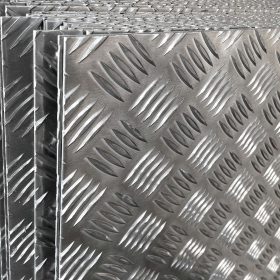 Checker Plate
 Tools & Workwear
The UK’s Heating, Ventilation, Air Conditioning, and Refrigeration (HVAC-R) sector is at a pivotal moment. With increasing pressure for sustainability, tighter environmental regulations, and a growing demand for energy-efficient solutions, the industry is witnessing a significant shift towards electric and low-carbon refrigeration technologies. This evolution brings a pressing need for specialised skills, particularly for electric refrigeration training, to ensure the workforce is equipped for the future.
The Evolving Landscape of UK Refrigeration
The drive towards more sustainable cooling and heating solutions isn’t just an aspiration; it’s a regulatory imperative and an economic necessity. Businesses across the UK, from logistics companies managing cold chains to facilities managers overseeing commercial buildings, are seeking ways to reduce their carbon footprint and operational costs.
Driving Forces: F-Gas and Energy Efficiency
At the heart of this transformation are the UK’s F-Gas Regulations. These regulations, designed to reduce emissions of fluorinated greenhouse gases, are pushing the industry away from high Global Warming Potential (GWP) refrigerants towards more environmentally friendly alternatives, including natural refrigerants and electric-powered systems. This regulatory landscape demands that refrigeration engineers not only understand these new refrigerants but also the complex electric systems that often accompany them.
Beyond F-Gas, the overarching goal of energy efficiency plays a critical role. Electric refrigeration systems, when designed, installed, and maintained correctly, can offer significant energy savings. This is crucial for businesses looking to manage rising energy costs and demonstrate their commitment to environmental responsibility. The push for better energy performance influences every aspect of HVAC-R, from the initial equipment selection to ongoing maintenance regimes.
The Rise of Electric and Low-Carbon Technologies
The adoption of electric power in refrigeration is no longer a niche concept. In transport refrigeration, for instance, electric vehicle (EV) technology is increasingly being integrated, requiring engineers to be proficient in high-voltage electrical systems in addition to traditional refrigeration principles. Similarly, the broader electrification of heating through heat pump technology often intersects with refrigeration expertise, as both fields deal with the movement of heat.
These modern systems are often more sophisticated, incorporating advanced controls and requiring a deeper understanding of electrical circuits and components. The demand for qualified refrigeration engineers who can install, service, and maintain these cutting-edge electric solutions is rapidly outstripping the current supply of appropriately trained professionals. This skills gap presents both a challenge and an opportunity for the UK HVAC-R sector.
Why Accredited Training is Crucial
For both individual engineers and the companies they work for, investing in accredited electric refrigeration training is no longer an option but a strategic necessity. It underpins competence, ensures compliance, and drives efficiency.
Ensuring Competence and Safety
Working with electric refrigeration systems, especially those involving high voltages in transport or larger commercial applications, carries inherent risks. Improper handling or inadequate knowledge can lead to serious accidents, equipment damage, and costly downtime. Accredited training programmes provide a structured environment to learn the specific safety protocols, diagnostic techniques, and repair methods required for these complex systems. This ensures engineers are not only effective but also safe in their work.
Meeting Compliance Standards
The regulatory environment in the UK for refrigeration and electrical systems is stringent. From F-Gas certification to electrical safety standards, businesses have a legal obligation to ensure their operations comply with current legislation. Sending engineers through recognised and accredited training ensures that the workforce possesses the up-to-date knowledge and certifications needed to meet these compliance requirements, thereby avoiding potential penalties and safeguarding reputations. This is particularly relevant for facilities managers and contractors responsible for large-scale refrigeration assets.
Boosting Energy Efficiency and Operational Performance
Well-trained engineers are the linchpin of optimal system performance. An engineer proficient in electric refrigeration can accurately diagnose issues, perform precise maintenance, and make informed adjustments that maximise energy efficiency. This directly translates into lower running costs for businesses, reduced carbon emissions, and extended equipment lifespan. The ability to correctly commission and retrofit new electric systems also plays a significant role in achieving long-term sustainability goals.
Attracting and Retaining Talent
In a competitive market, companies that invest in upskilling their workforce become more attractive employers. Offering accredited electric refrigeration training demonstrates a commitment to employee development and career progression. This not only helps in retaining experienced staff but also in attracting new talent into the HVAC-R sector, addressing the industry’s ongoing skills shortage. For younger engineers, such training offers a clear pathway to becoming highly valued specialists in a rapidly expanding field.
What to Look for in an Electric Refrigeration Training Programme
When considering training options, decision-makers should evaluate programmes based on several key criteria to ensure maximum benefit.
Practical Skills and Theory
An effective training programme will strike a balance between theoretical knowledge and practical, hands-on experience. Engineers need to understand the underlying principles of electric refrigeration, control systems, and component interaction, but also gain confidence through practical work on representative equipment. This blended approach ensures they can apply their knowledge effectively in real-world scenarios.
Industry Recognition and Accreditation
For training to truly add value, it must be recognised by relevant industry bodies. Accreditation provides assurance that the programme meets a certain standard of quality and relevance. In the UK, this might involve qualifications that align with F-Gas requirements or broader electrical engineering competencies. Such recognition lends credibility to the qualification and assures employers of the engineer’s proficiency.
Focus on UK-Specific Regulations
Given the unique regulatory landscape, a training programme specifically tailored to UK legislation and best practices is invaluable. This includes detailed coverage of F-Gas regulations, health and safety standards pertinent to electrical work in the UK, and any specific requirements for installations or maintenance within the British context.
Key Takeaways
The transition to electric refrigeration represents a significant leap forward for the UK HVAC-R industry, promising greater sustainability and efficiency. However, the success of this transition hinges on the readiness of its workforce. Proactive investment in accredited electric refrigeration training is not just about adapting to change; it’s about leading the way to a more efficient, compliant, and sustainable future for cooling and heating across the nation.