 50mm
50mm 80mm
80mm 100mm
100mm Hinged Doors
 Flooring U Channel
 Internal Trims
 Angles
 External Angles
 Internal Angles
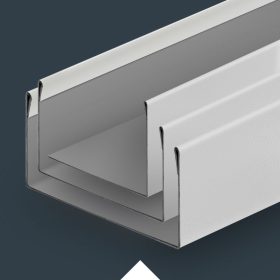 Channels
 Chiller Channel
 Freezer Channel
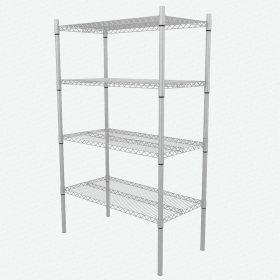 Cold Room Wire Shelving
 Copper Tube
 Pipe Insulation
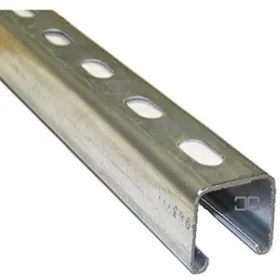 Channel
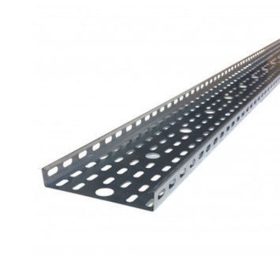 Cable Tray
 Fasteners
 Fixing Accessories
 Studding, Nuts, Bolts & Washers
 Support Frame & Mounting Block
 Tape
Tape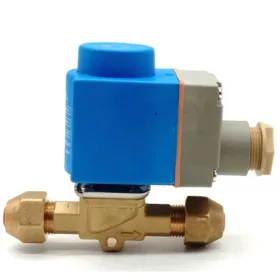 Brass Fittings
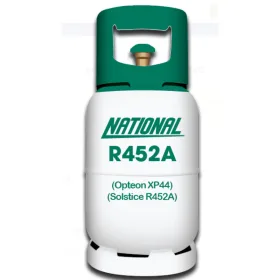 Refrigerant
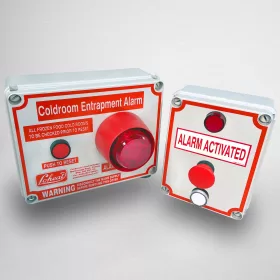 Cold Room Accessories
 Cable
Cable Cold Room Controller
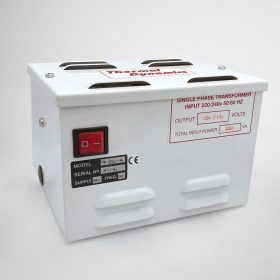 Cold Room Transformer
 Drain Pipe & Fittings
 Condensate Hoses
 Condensate Pumps
 Air Conditioning Mini Pumps
 Ancillaries
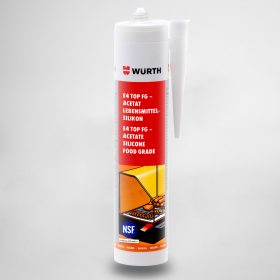 Silicon Sealant
 Expanding Foam
 Cable Ties
 Brazing
 Temperature Barrier
 Meat Hanging System
 Access Panel
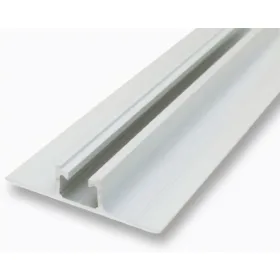 Ceiling Suspension
 Chemical
 Leak Detector
 Odour Remover
 Flooring Parts
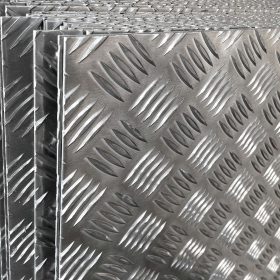 Checker Plate
 Tools & Workwear
The UK’s built environment relies heavily on efficient cooling and refrigeration systems. From commercial offices and retail spaces to critical industrial processes and data centres, effective temperature control is not merely a comfort factor but a business imperative. However, the sector is currently operating under significant pressure, driven by ambitious net-zero targets, evolving regulations, and the ever-present need for operational efficiency.
The UK’s HVAC-R Landscape: Pressures and Priorities
The drive towards a greener economy is reshaping how we approach cooling. Environmental imperatives are pushing the HVAC-R industry to innovate and adopt more sustainable practices. This transition is largely influenced by two key areas:
- Environmental Imperatives: The UK’s commitment to achieving net-zero emissions by 2050 places considerable emphasis on reducing the carbon footprint of buildings and industrial processes. HVAC-R systems, being significant energy consumers, are central to this effort.
- Regulatory Frameworks: The primary regulatory driver in this space is the European F-Gas Regulation (now retained in UK law). This legislation dictates the phasedown of high Global Warming Potential (GWP) fluorinated gases, commonly used in air conditioning and refrigeration. This has a direct impact on system design, refrigerant choices, and service requirements for both new installations and existing infrastructure.
Understanding and adapting to these pressures is crucial for all stakeholders, from equipment manufacturers and suppliers to installers and facilities managers responsible for day-to-day operations.
Driving Energy Efficiency in Cooling Systems
Operational costs are always a concern, and energy consumption is a major component for cooling systems. Focusing on energy efficiency is not just about cost reduction; it’s also a significant factor in reducing environmental impact and demonstrating corporate responsibility.
- Beyond Basic Operation: True efficiency goes beyond simply running a system. It involves a holistic approach to system design, control, and performance optimisation.
- Modern Technologies: The market offers advanced solutions designed for optimal efficiency. This includes highly efficient chillers, variable refrigerant flow (VRF) systems, and increasingly, the adoption of reversible heat pump technology for both heating and cooling. These modern units often feature intelligent controls that can adapt to changing loads and external conditions, minimising energy waste.
- Optimisation: Even the most advanced systems require careful commissioning and ongoing optimisation. Regular checks, balancing, and fine-tuning ensure that systems operate at their peak efficiency throughout their lifespan, preventing unnecessary energy expenditure.
Navigating F-Gas Compliance and Beyond
For any organisation operating cooling or refrigeration equipment in the UK, F-Gas compliance is non-negotiable. This regulation imposes strict requirements to minimise emissions of fluorinated greenhouse gases.
- Installer and Operator Responsibilities: Both installers of new equipment and facilities managers overseeing existing systems have clear legal obligations. These include mandatory leak checks at specified intervals (depending on the refrigerant charge size), maintaining detailed logbooks of all refrigerant movements and maintenance activities, and ensuring that all personnel handling F-gases are appropriately certified.
- Phasedown Impact: The F-Gas phasedown means a progressive reduction in the availability of high-GWP refrigerants. This encourages the transition to lower GWP alternatives, including natural refrigerants like CO2 and ammonia, or synthetic options with significantly reduced environmental impact. Forward planning is essential to avoid potential supply issues and increased costs.
- Holistic Compliance: While F-Gas is a major focus, other regulations also play a role. For example, TM44 inspections assess the efficiency of air conditioning systems, and general building regulations influence the thermal performance of premises, indirectly impacting cooling load requirements.
Strategic Maintenance and Retrofit for Longevity
The lifespan and efficiency of any HVAC-R system are heavily dependent on how it is maintained. A strategic approach to maintenance is crucial for operational reliability, cost control, and regulatory adherence.
- Proactive vs. Reactive: Moving away from a reactive “fix-it-when-it-breaks” approach to proactive, planned maintenance offers numerous benefits. Regular servicing can identify potential issues before they escalate, prevent costly breakdowns, maintain system efficiency, and ensure all F-Gas compliance checks are performed on schedule.
- Considering Retrofit: For older systems that may still be functional but are inefficient or rely on phased-out refrigerants, a retrofit can be a sensible solution. This might involve upgrading components, replacing refrigerant circuits, or even converting to a different refrigerant type. A well-planned retrofit can extend the asset life, improve energy efficiency, and ensure continued compliance without the immediate expense of a full system replacement.
- Expert Partnership: Engaging experienced HVAC-R contractors is paramount. They can provide essential advice on system optimisation, help navigate complex regulations, and execute maintenance and retrofit projects to the highest standards, ensuring your systems are both efficient and compliant.
Key Takeaways:
- F-Gas compliance and responsible refrigerant management are critical legal and environmental requirements for all UK HVAC-R operations.
- Prioritising energy efficiency through modern technologies and optimisation leads to significant operational savings and a reduced carbon footprint.
- Regular, proactive maintenance is fundamental for system reliability, extending asset life, and ensuring ongoing regulatory adherence.
- Strategic retrofit planning can provide a cost-effective pathway to upgrade older systems, meeting evolving performance standards and compliance needs.
The UK HVAC-R sector is dynamic and continuously evolving. By embracing a proactive approach to energy efficiency, ensuring stringent F-Gas compliance, and investing in strategic maintenance and retrofit solutions, organisations can not only navigate current pressures but also future-proof their critical cooling infrastructure.