 50mm
50mm 80mm
80mm 100mm
100mm Hinged Doors
 Flooring U Channel
 Internal Trims
 Angles
 External Angles
 Internal Angles
 Channels
 Chiller Channel
 Freezer Channel
 Cold Room Wire Shelving
 Copper Tube
 Pipe Insulation
 Channel
 Cable Tray
 Fasteners
 Fixing Accessories
 Studding, Nuts, Bolts & Washers
 Support Frame & Mounting Block
 Tape
Tape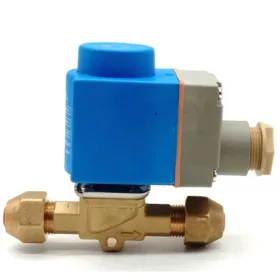 Brass Fittings
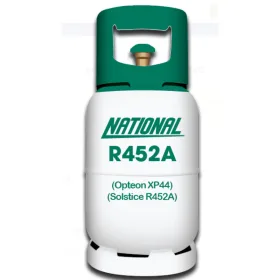 Refrigerant
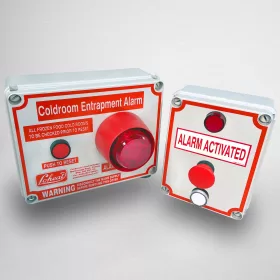 Cold Room Accessories
 Cable
Cable Cold Room Controller
 Cold Room Transformer
 Drain Pipe & Fittings
 Condensate Hoses
 Condensate Pumps
 Air Conditioning Mini Pumps
 Ancillaries
 Silicon Sealant
 Expanding Foam
 Cable Ties
 Brazing
 Temperature Barrier
 Meat Hanging System
 Access Panel
 Ceiling Suspension
 Chemical
 Leak Detector
 Odour Remover
 Flooring Parts
 Checker Plate
 Tools & Workwear
F-Gas Regulations in the UK: A Prudent Approach to Compliance
For anyone operating within the UK’s heating, ventilation, air conditioning, and refrigeration (HVAC-R) sectors, understanding and adhering to F-gas regulations is not merely an option; it’s a legal imperative. While international headlines might highlight penalties in other countries, the principle remains universally critical: non-compliance with fluorinated gas (F-gas) rules carries significant risks for businesses here in the UK.
F-gases are potent greenhouse gases used in various refrigeration and air conditioning systems, as well as in heat pumps. Due to their high global warming potential, strict regulations are in place to control their emissions, both at a European level (which the UK largely mirrors post-Brexit) and through specific national enforcement.
Why F-Gas Compliance Matters to Your UK Business
The implications of failing to comply extend far beyond potential fines. For facilities managers, HVAC-R installers, and contractors across the UK, neglecting F-gas responsibilities can lead to operational disruptions, environmental damage, and damage to professional reputation.
Legal and Financial Ramifications
The UK has robust mechanisms for enforcing environmental legislation, including F-gas regulations. While specific fine structures can vary, regulatory bodies can impose substantial penalties for breaches. These can range from financial sanctions for not conducting mandatory leakage checks or maintaining proper records, to more severe penalties for deliberate releases or improper handling of refrigerants. Such fines can significantly impact a company’s bottom line and divert resources away from core business activities.
Operational Efficiency and System Longevity
Beyond legal compliance, proactive F-gas management is intrinsically linked to the operational efficiency and lifespan of your equipment. Systems that are regularly checked for leaks and maintained by certified technicians perform better. A leaking system, for instance, has to work harder to achieve the desired cooling or heating effect, leading to increased energy consumption and higher utility bills. Addressing these issues promptly helps maintain system performance and extends the equipment’s operational life, deferring costly replacements.
Environmental Responsibility
Reducing F-gas emissions is a crucial step in combating climate change. By ensuring your HVAC-R and refrigeration systems are well-maintained and compliant, your business contributes positively to the UK’s environmental targets. This demonstrates corporate responsibility, which is increasingly valued by clients, stakeholders, and the wider public.
Key Elements of F-Gas Compliance in the UK
Compliance involves several critical areas that all UK HVAC-R professionals and facility managers should be familiar with:
The Role of HVAC-R Professionals
For installers and service providers, staying abreast of the latest F-gas regulations and holding the correct qualifications is paramount. Offering compliant services not only protects your clients but also solidifies your reputation as a responsible and knowledgeable professional. Furthermore, understanding emerging technologies, such as lower GWP refrigerants and the move towards more efficient heat pump solutions, positions businesses for future growth and regulatory changes.
For facilities managers, engaging with F-gas certified contractors is non-negotiable. It’s about ensuring due diligence and mitigating risks associated with non-compliance across your managed properties. Establishing a robust planned preventative maintenance (PPM) schedule that incorporates F-gas leakage checks and record-keeping is essential.
Moving Forward: Embracing Energy Efficiency and Retrofit
F-gas regulations also provide an impetus for businesses to consider energy-efficient upgrades and retrofit solutions. Many older systems use refrigerants with higher global warming potentials. Upgrading to newer equipment, particularly modern heat pump systems that use lower GWP refrigerants or natural refrigerants, can significantly reduce your environmental footprint, improve energy efficiency, and ensure long-term compliance.
This strategic approach not only addresses regulatory requirements but also delivers tangible business benefits, including reduced operational costs and enhanced sustainability credentials. The journey towards a net-zero future for the UK’s built environment relies heavily on responsible refrigeration and HVAC-R practices.