

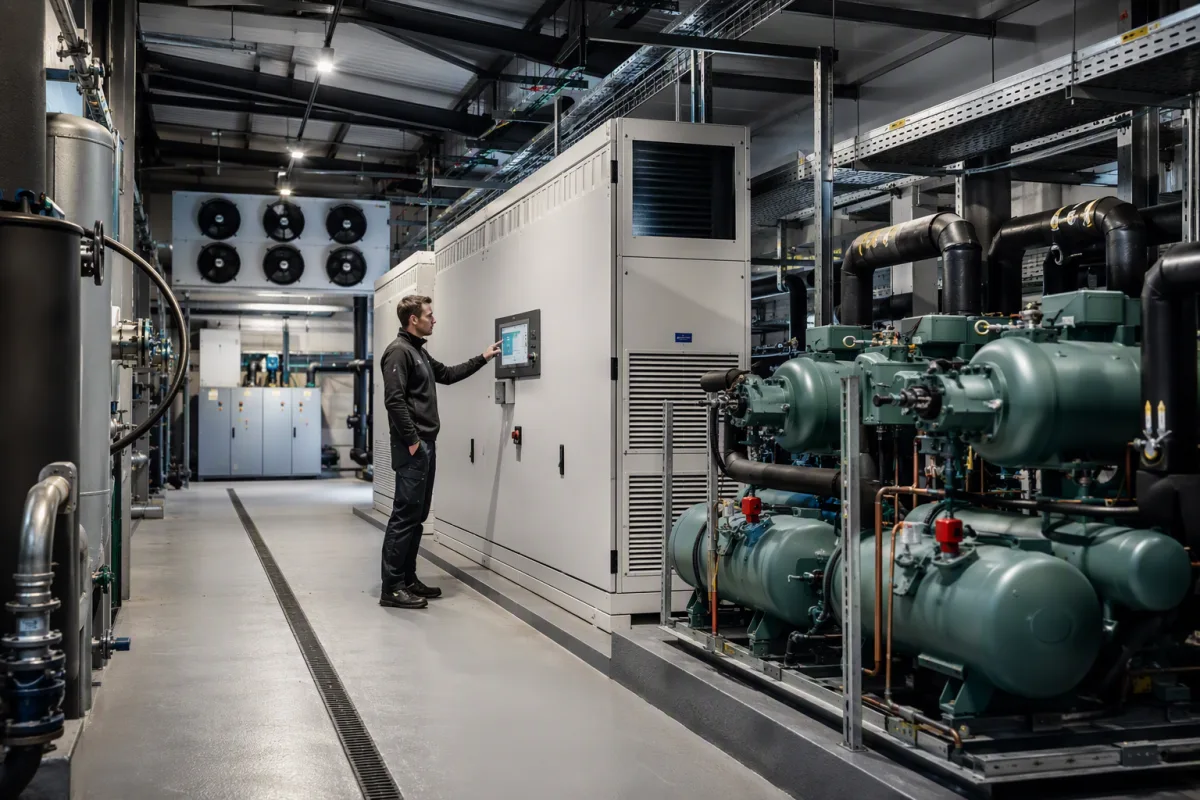
The operational demands on UK HVAC-R systems are constantly evolving. From stringent F-Gas regulations to the relentless pursuit of energy efficiency and sustainability targets, facility managers face a complex challenge. While a full system replacement can be a significant capital expenditure, a more strategic and often more cost-effective approach lies in judicious component upgrades. This article explores how targeted enhancements can extend the lifespan of your existing HVAC-R infrastructure, improve performance, and ensure ongoing compliance, ultimately securing long-term operational savings.
Why Consider Component Upgrades?
Investing in upgrades rather than wholesale replacement offers several compelling advantages, particularly within the dynamic UK HVAC-R landscape.
Extending System Lifespan
Many core HVAC-R system elements, such as pipework and primary structural components, often remain robust long after their active parts start showing signs of wear or becoming inefficient. By strategically replacing key components like compressors, condensers, evaporators, or control units, you can significantly prolong the operational life of the entire system. This approach minimises disruption and leverages existing infrastructure, providing a fresh lease of life without the full cost and lead time of a new installation. It’s about smart, incremental investment that keeps your assets performing for longer.
Boosting Energy Efficiency
Older HVAC-R systems, even if well-maintained, may not meet modern energy efficiency benchmarks. Technology advances rapidly, with newer components designed to consume less power and operate more effectively. Upgrading to high-efficiency compressors, variable speed fan motors, or advanced heat exchangers can dramatically reduce energy consumption. For instance, replacing an outdated cold room controller with a modern, intelligent unit allows for more precise temperature management and defrost cycles, directly contributing to lower electricity bills. Facilities across the UK can realise substantial operational savings by adopting these greener technologies.
Ensuring Regulatory Compliance (F-Gas)
The UK’s commitment to F-Gas regulations, post-Brexit, remains steadfast. This means facility managers must address systems operating with refrigerants slated for phase-down or outright bans. Component upgrades can be a critical pathway to compliance. By replacing older compressors, valves, or heat exchangers with models designed for lower Global Warming Potential (GWP) refrigerants or those engineered to minimise leakage, facilities can mitigate risks associated with non-compliance and future-proof their operations against evolving environmental legislation. It’s not just about avoiding fines; it’s about responsible environmental stewardship.
Key Areas for Strategic Upgrades
Identifying the right components for an upgrade is crucial for maximising impact and return on investment.
Refrigeration System Components
At the heart of any cold storage or HVAC system are its refrigeration components. Upgrading elements such as compressors, condensers, and evaporators can yield significant efficiency gains. Modern compressors, for example, often feature improved motors, better lubricants, and more precise control mechanisms, leading to reduced energy consumption. Similarly, new evaporators and condensers can offer enhanced heat transfer capabilities, allowing the system to work less intensely to achieve desired temperatures. Consideration should always be given to components that are compatible with current and future compliant refrigerants.
Controls and Automation
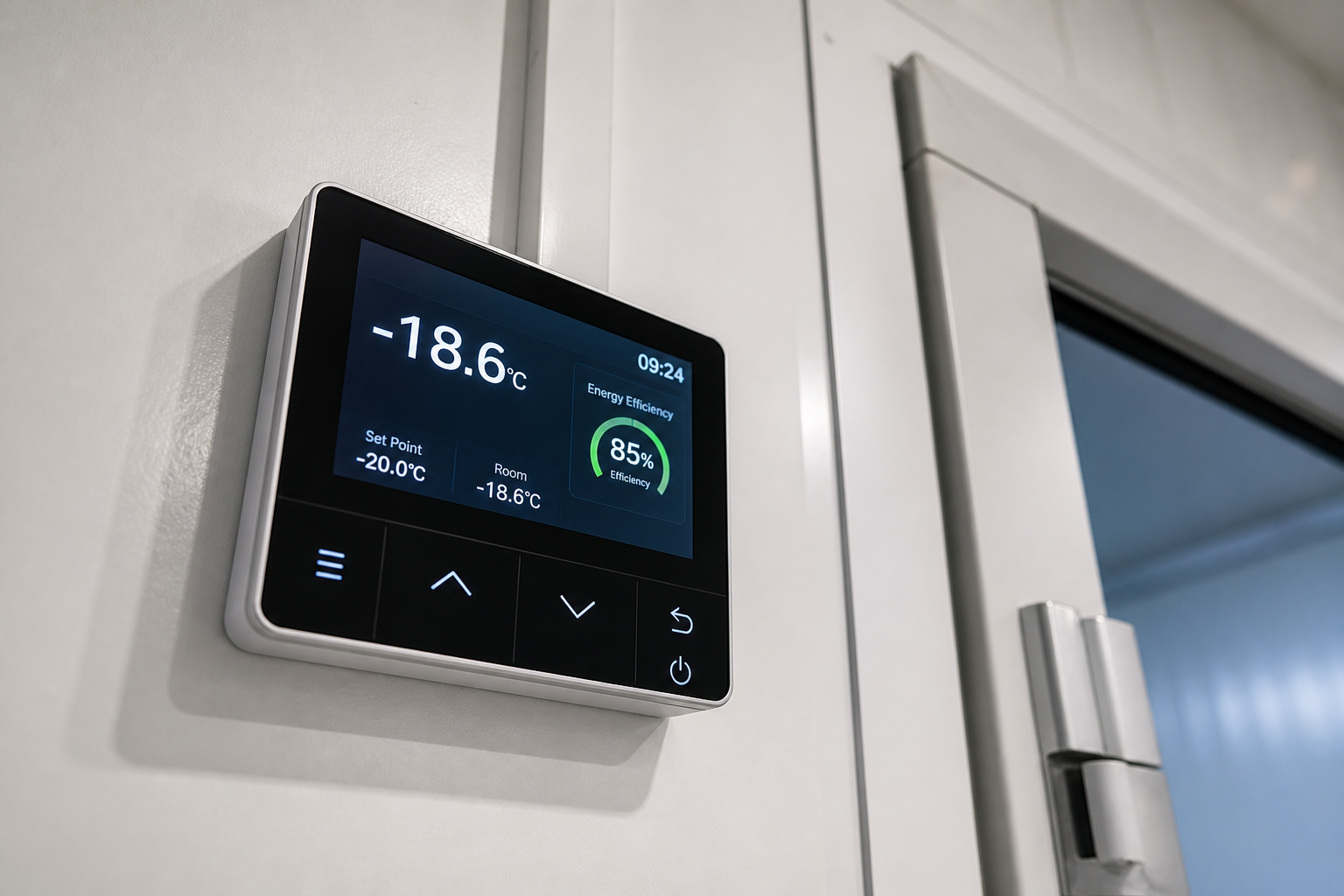
The control system is the brain of your HVAC-R plant. Outdated analogue controls can be inefficient and lack the precision needed for optimal performance. Upgrading to advanced digital controls and building management systems (BMS) allows for granular monitoring, remote access, predictive maintenance insights, and sophisticated scheduling. Modern cold room controllers, for instance, offer features like adaptive defrost, energy-saving modes, and comprehensive data logging, all contributing to better system management and energy savings. This digital transformation provides a greater degree of control and responsiveness.
Insulation and Air Sealing
Often overlooked, the integrity of a system’s thermal envelope is paramount to efficiency. Even the most advanced refrigeration unit will struggle if its surrounding structure is poorly insulated or allows air infiltration. Upgrading insulation, particularly in cold rooms, can drastically reduce heat ingress, lightening the load on refrigeration units. Installing high-performance PIR insulated panels offers superior thermal resistance and can rectify issues with condensation and energy waste. Similarly, ensuring proper air sealing around all penetrations and junctions is vital to prevent thermal bridges and unwanted heat transfer.
Doors and Access Points
Cold room doors are high-traffic areas and points of potential energy loss. Worn seals, damaged panels, or inadequate closing mechanisms can lead to significant temperature fluctuations and increased energy consumption. Upgrading to modern cold room doors with robust insulation, advanced sealing technology, and reliable closing systems can prevent costly air leakage. This seemingly minor upgrade can have a major impact on maintaining stable internal conditions and reducing the workload on refrigeration equipment.
The Upgrade Process: What to Expect
A successful component upgrade project involves several critical steps to ensure minimal disruption and maximum benefit.
Firstly, a comprehensive assessment and audit of your existing system is essential. This involves detailed performance analysis, identification of bottlenecks, and a review of energy consumption data. A professional HVAC-R specialist can provide invaluable insights into which components offer the greatest potential for improvement.
Next, careful planning and selection of suitable components are undertaken. This stage includes evaluating options based on efficiency ratings, compatibility with existing infrastructure, regulatory compliance, and budget. Partnering with reputable suppliers ensures access to quality, durable products.
Following selection, professional installation and commissioning are paramount. Certified engineers will ensure that new components are integrated correctly, calibrated, and fully tested to perform optimally within the existing system. This often includes fine-tuning control settings and verifying system integrity.
Finally, post-upgrade monitoring and planned preventative maintenance are crucial to sustain the benefits. Regular checks and servicing will ensure the longevity of your upgraded components and help identify any emerging issues before they escalate.
Key Takeaways:
For UK businesses looking to enhance their HVAC-R system’s performance, efficiency, and compliance without the full cost of a new build, strategic component upgrades present a pragmatic and effective solution. Discover how tailored upgrades can benefit your facility by getting in touch with our experts today. Request a quote for your cold storage or HVAC-R component upgrade project.
